








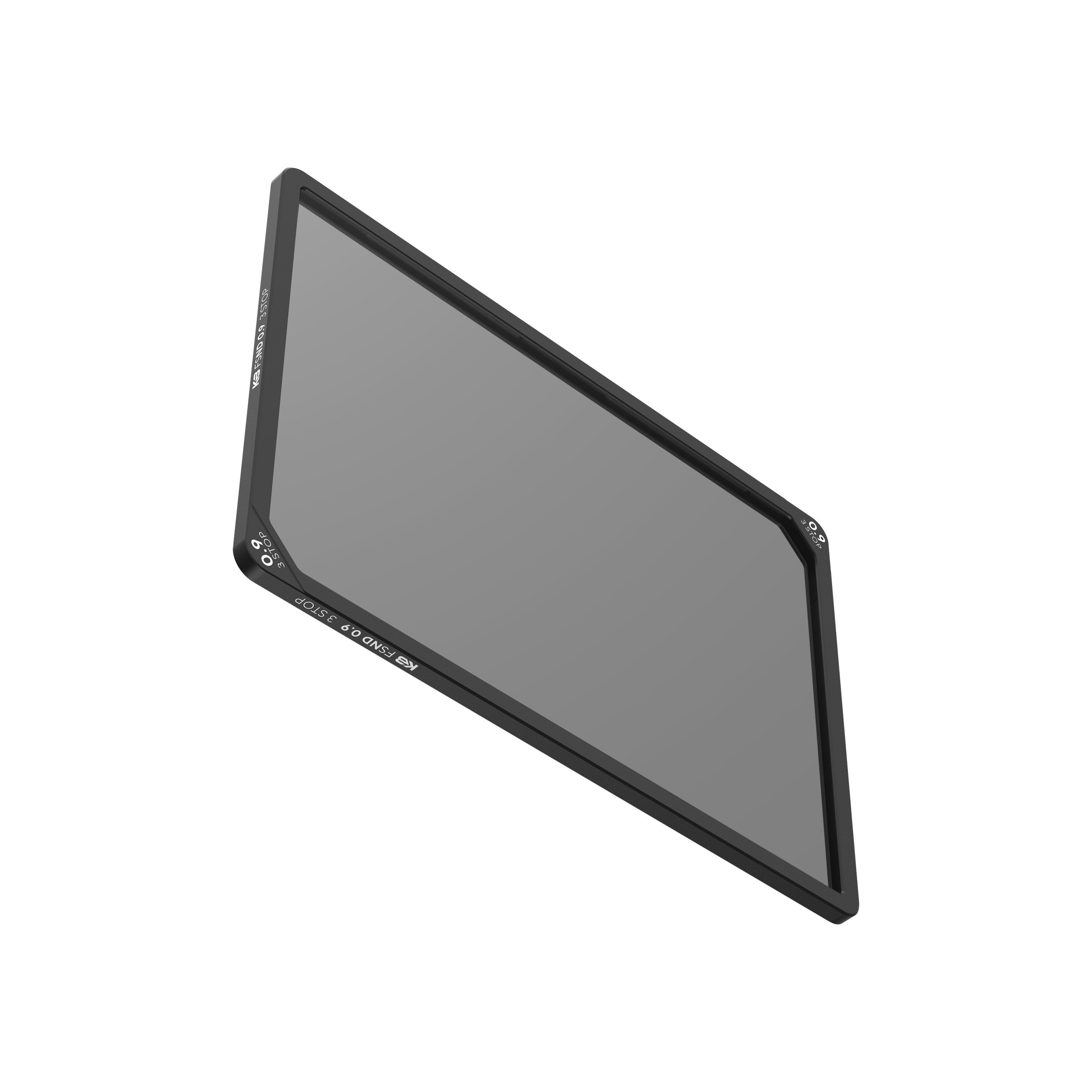

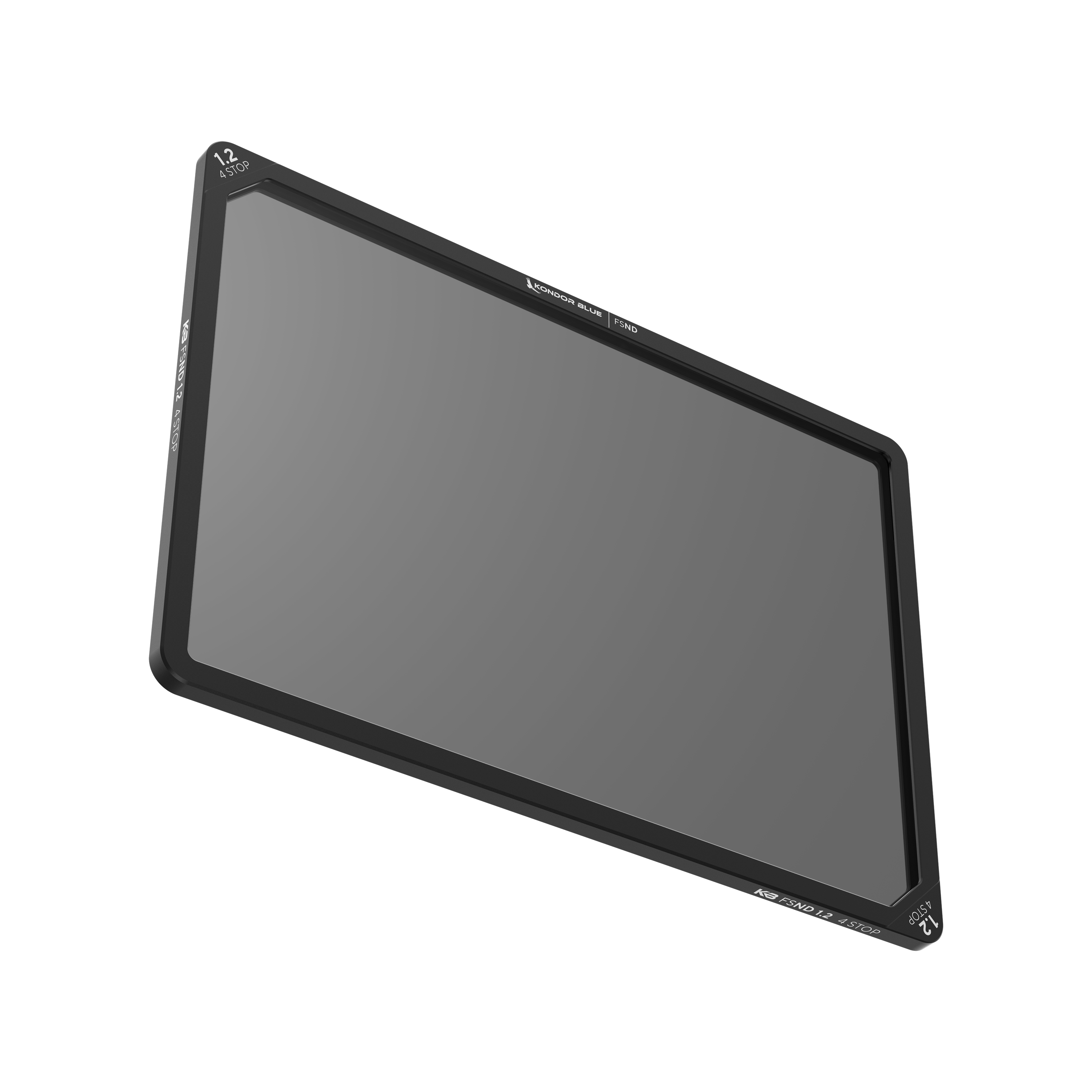
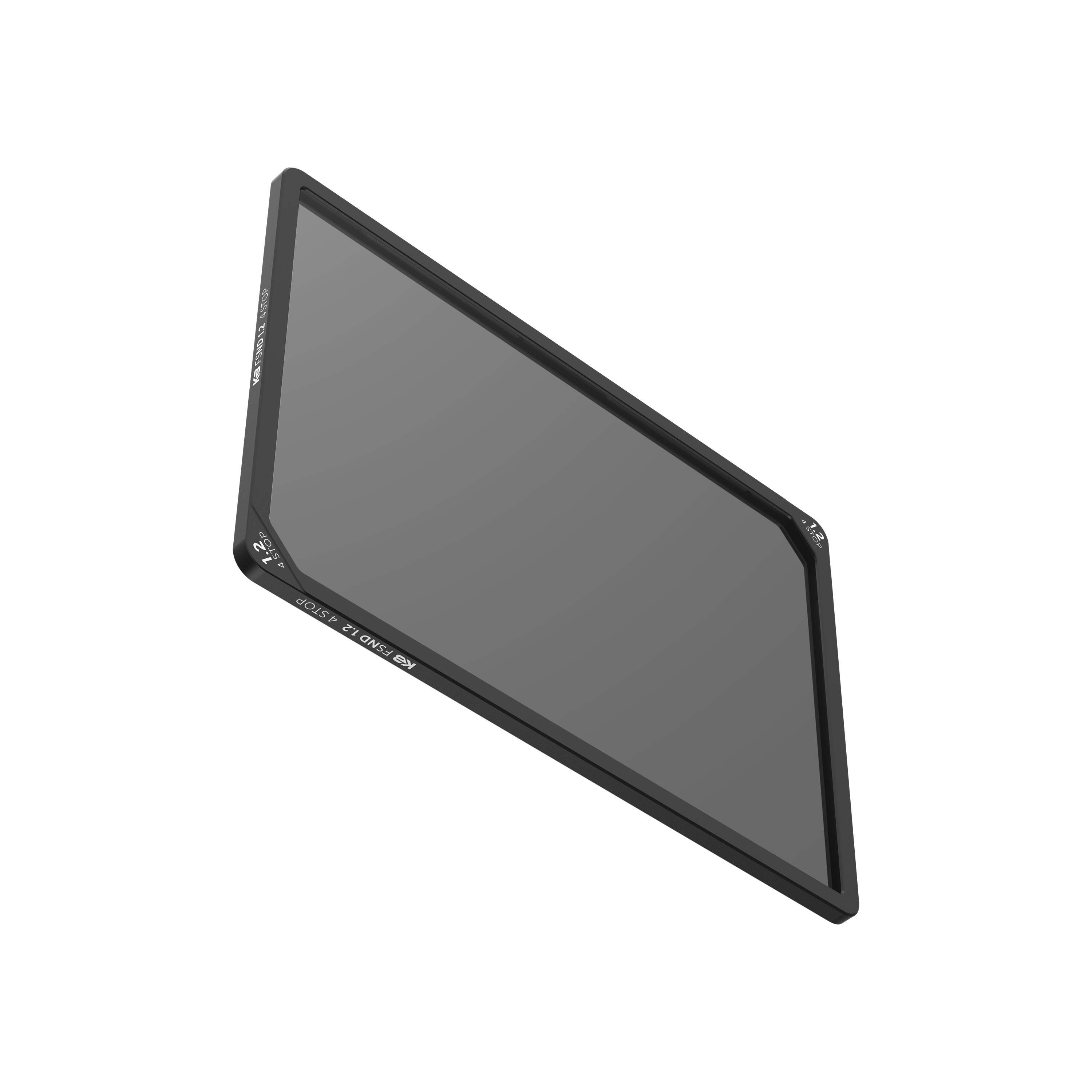
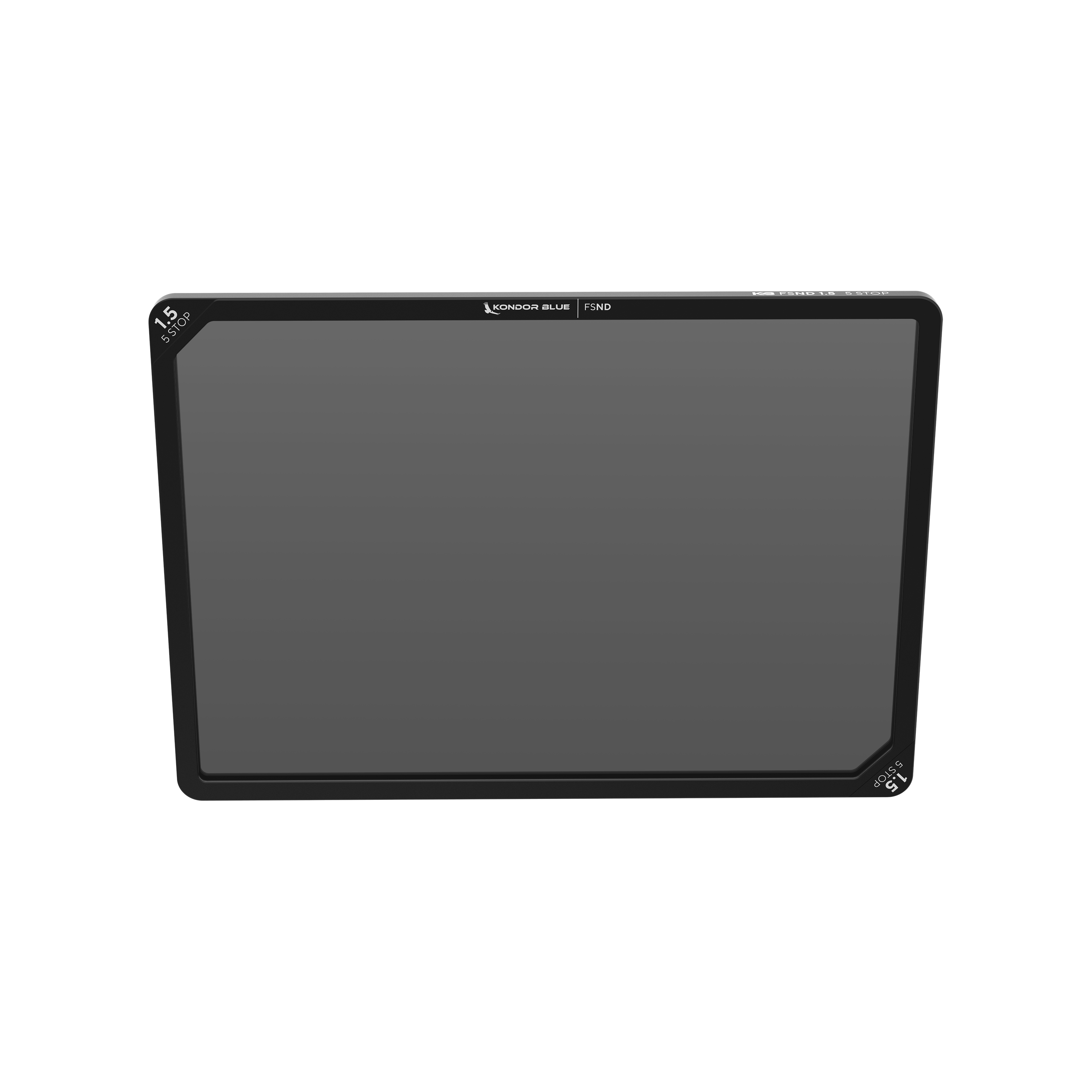

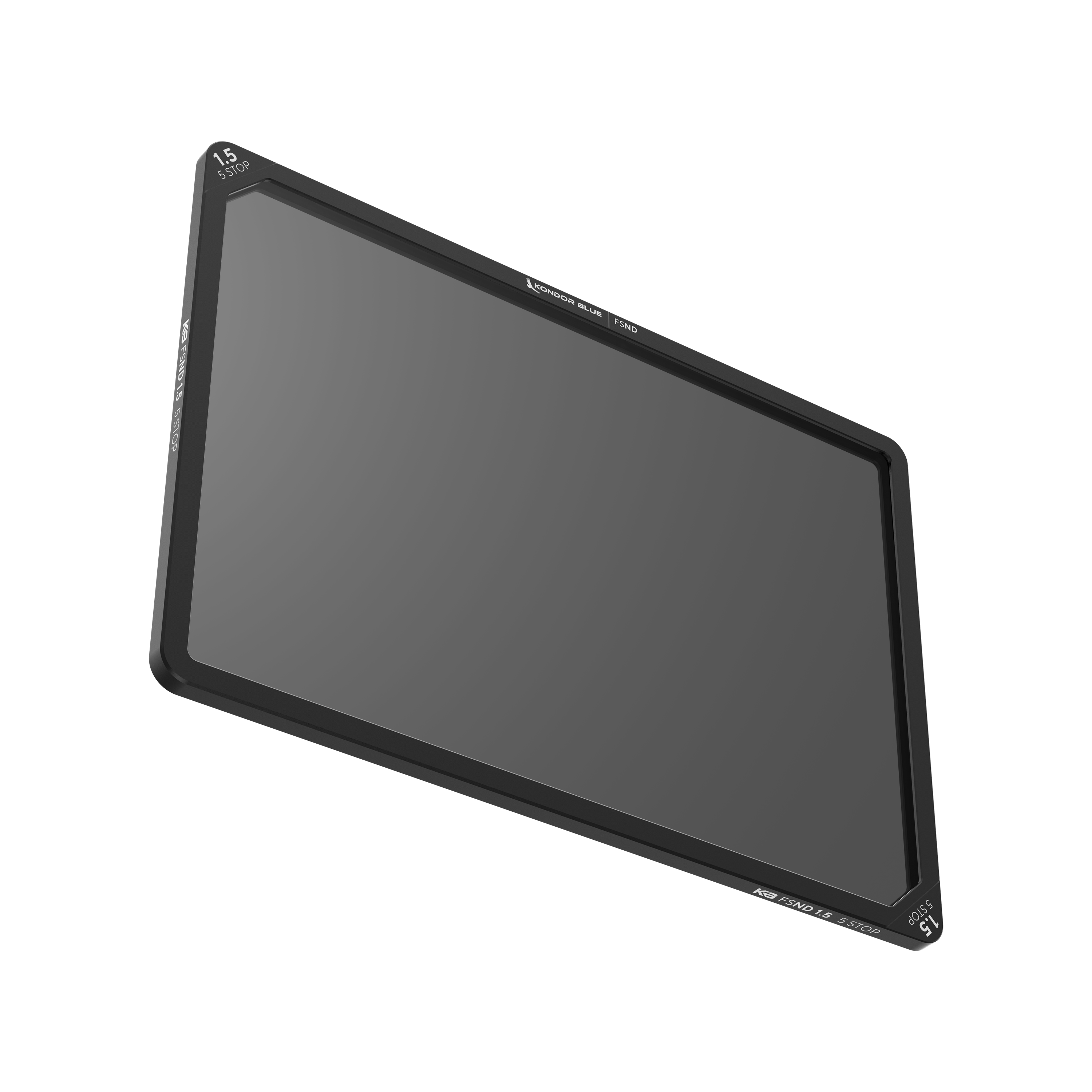
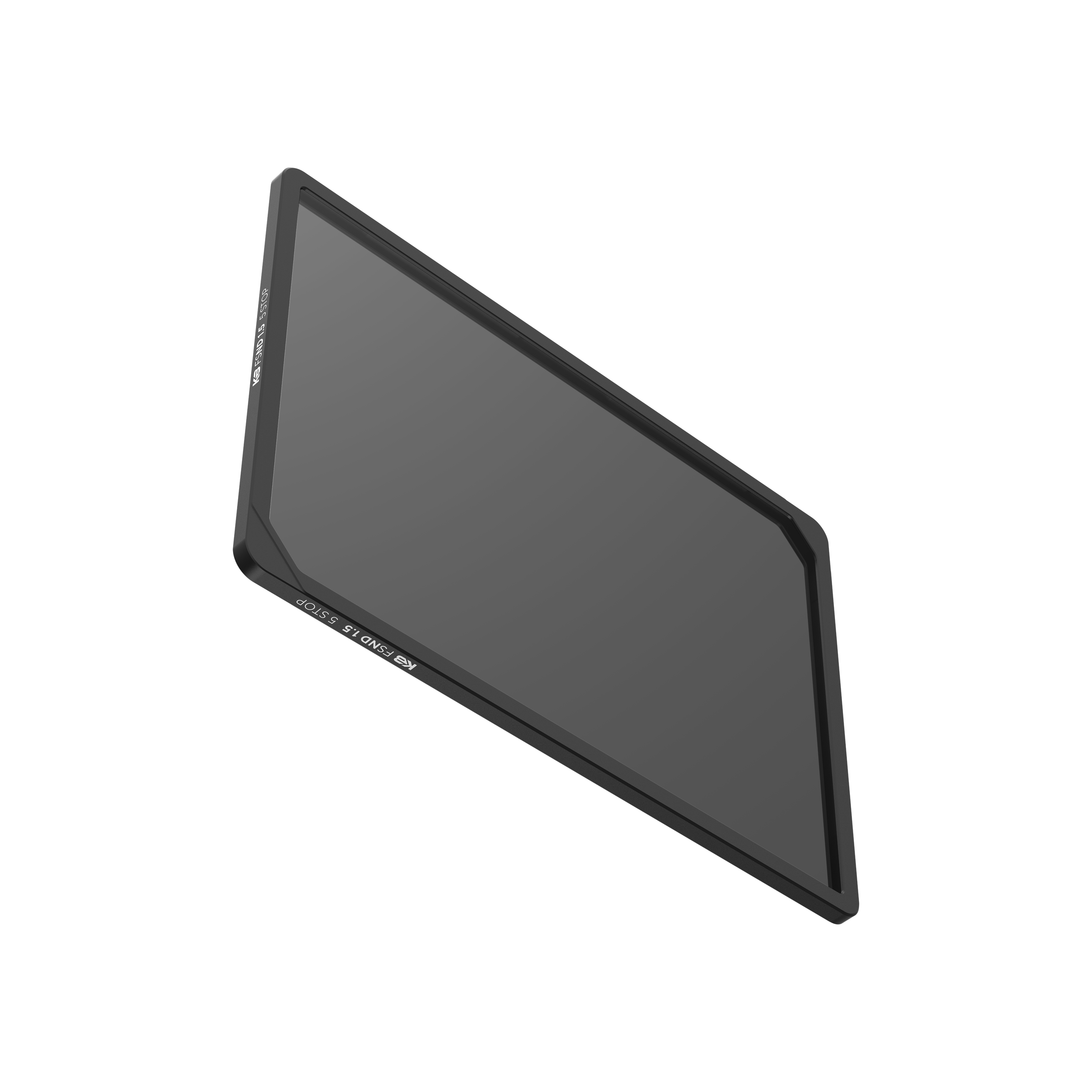
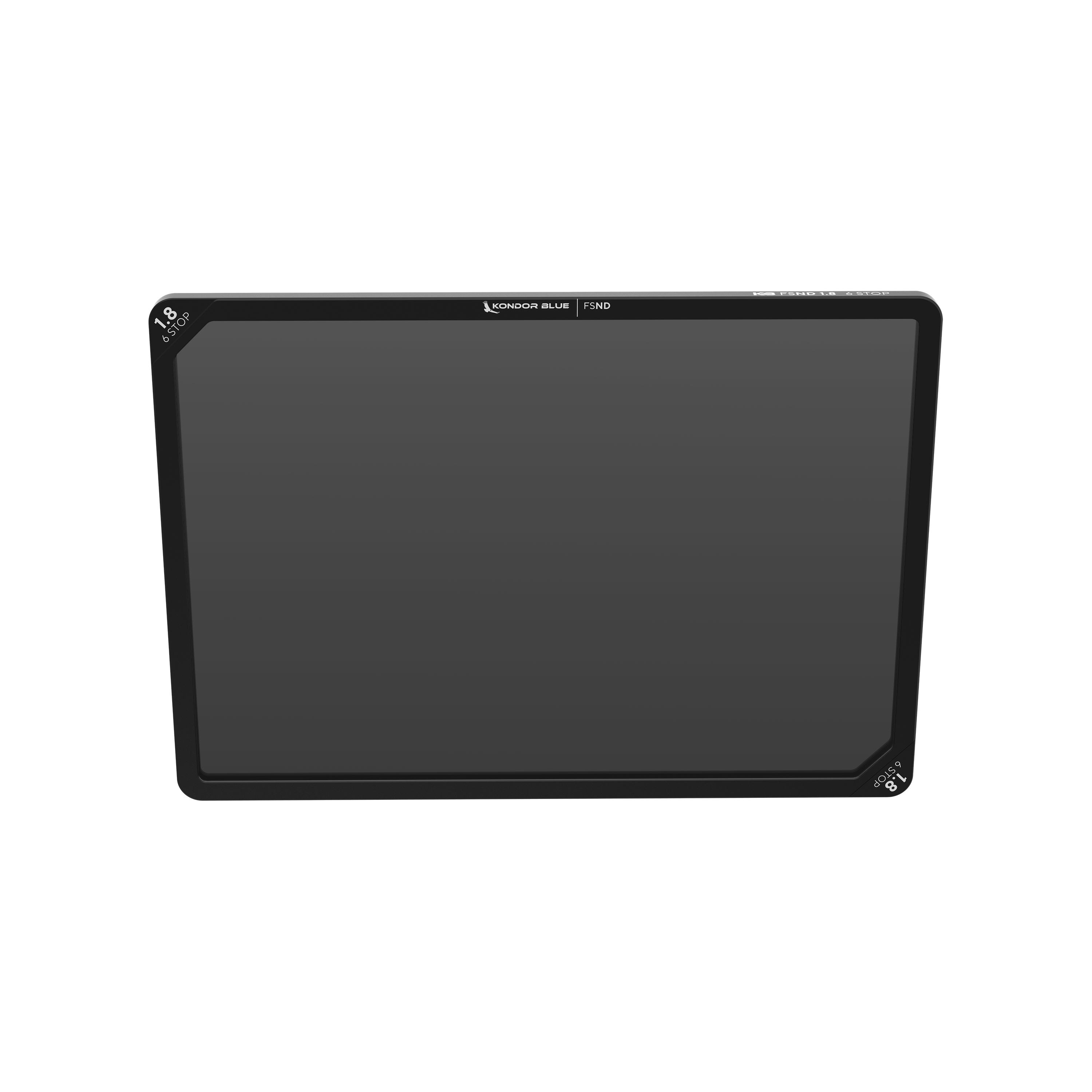

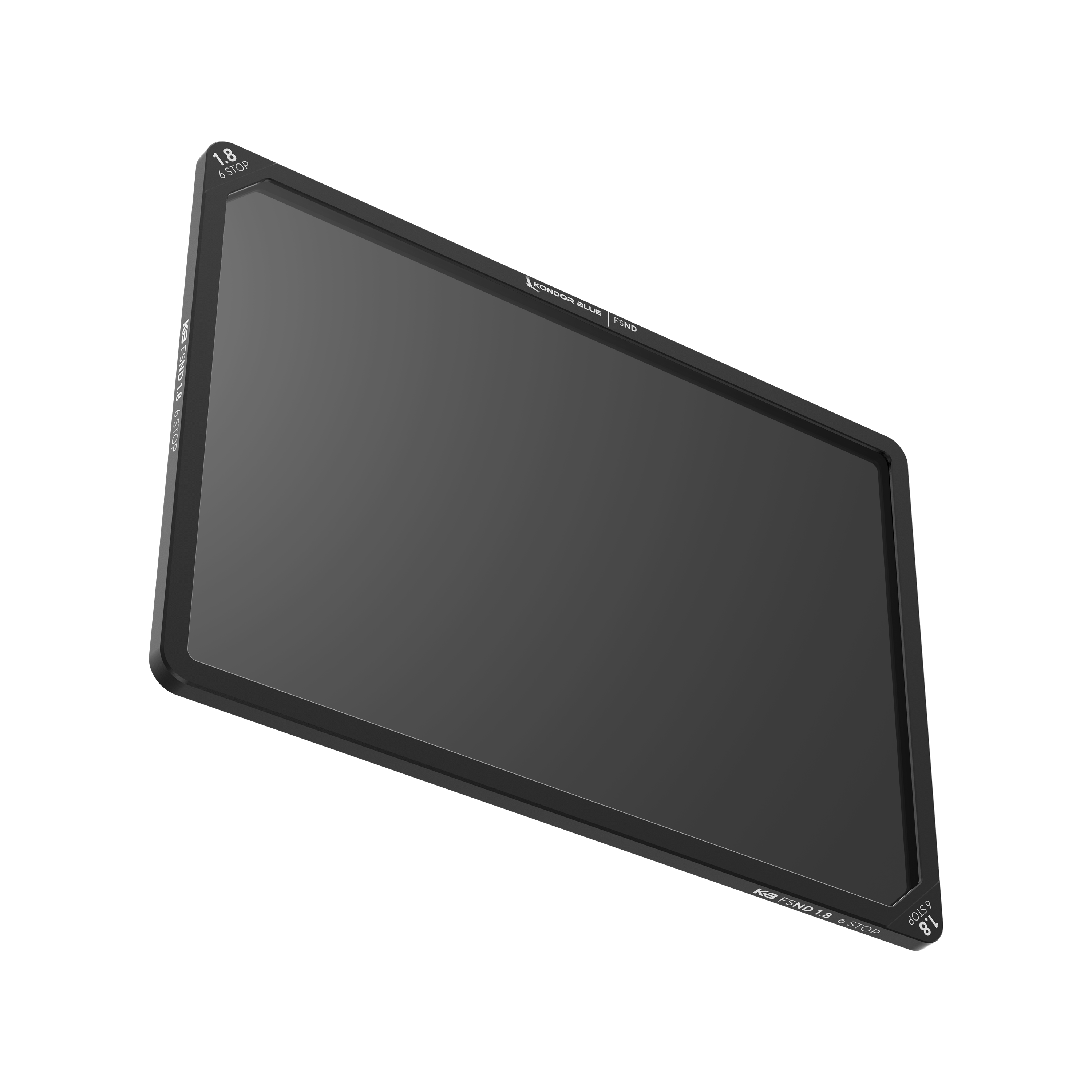

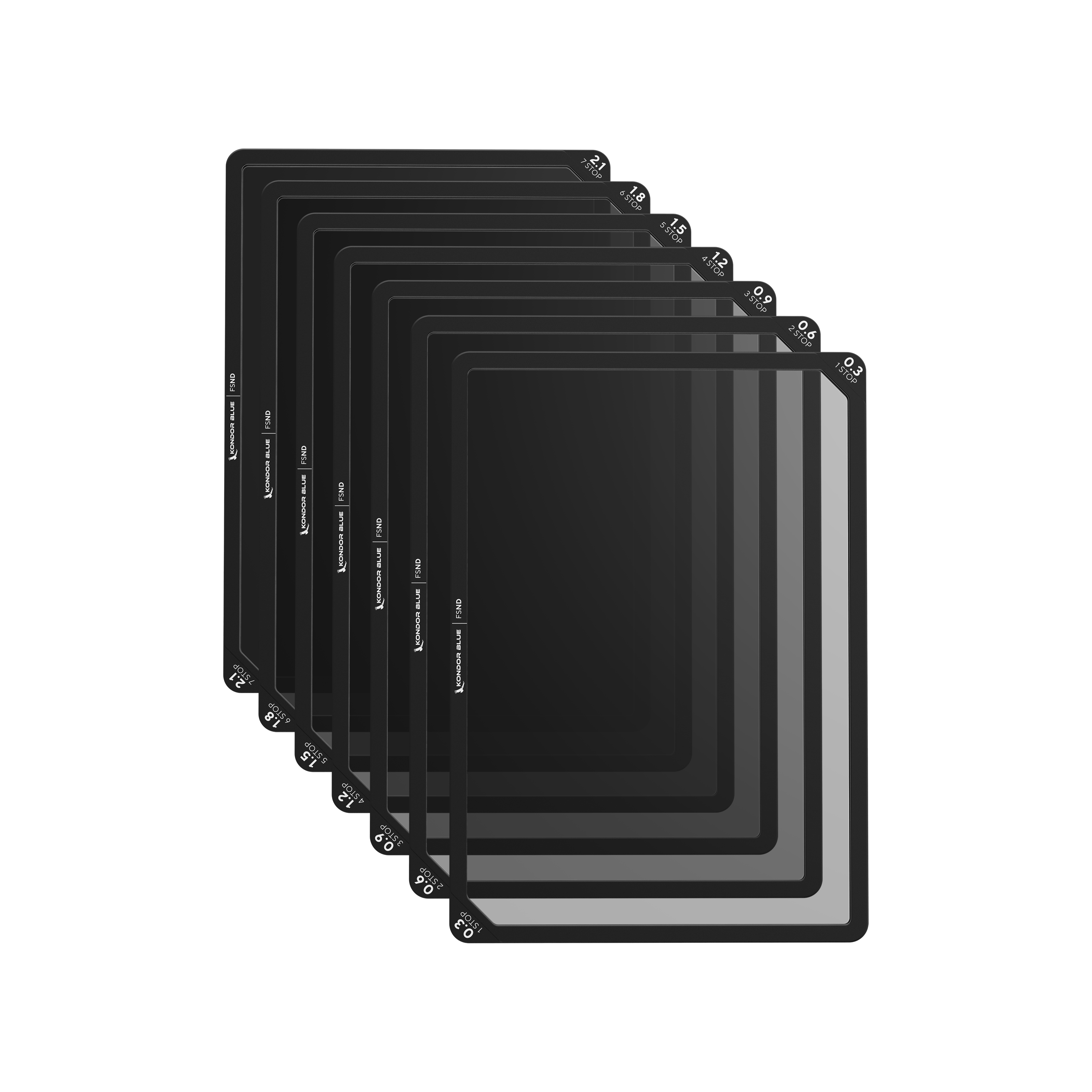
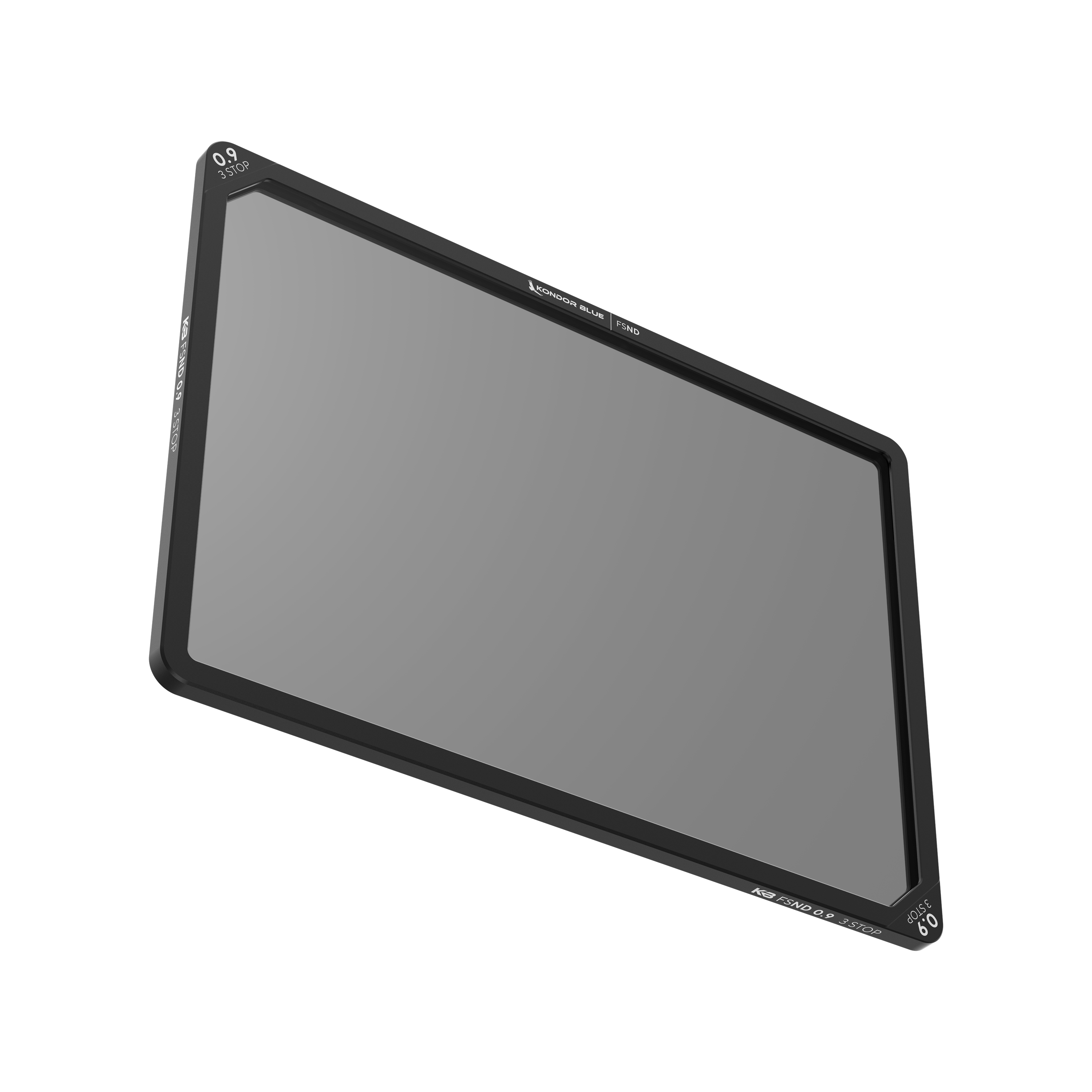
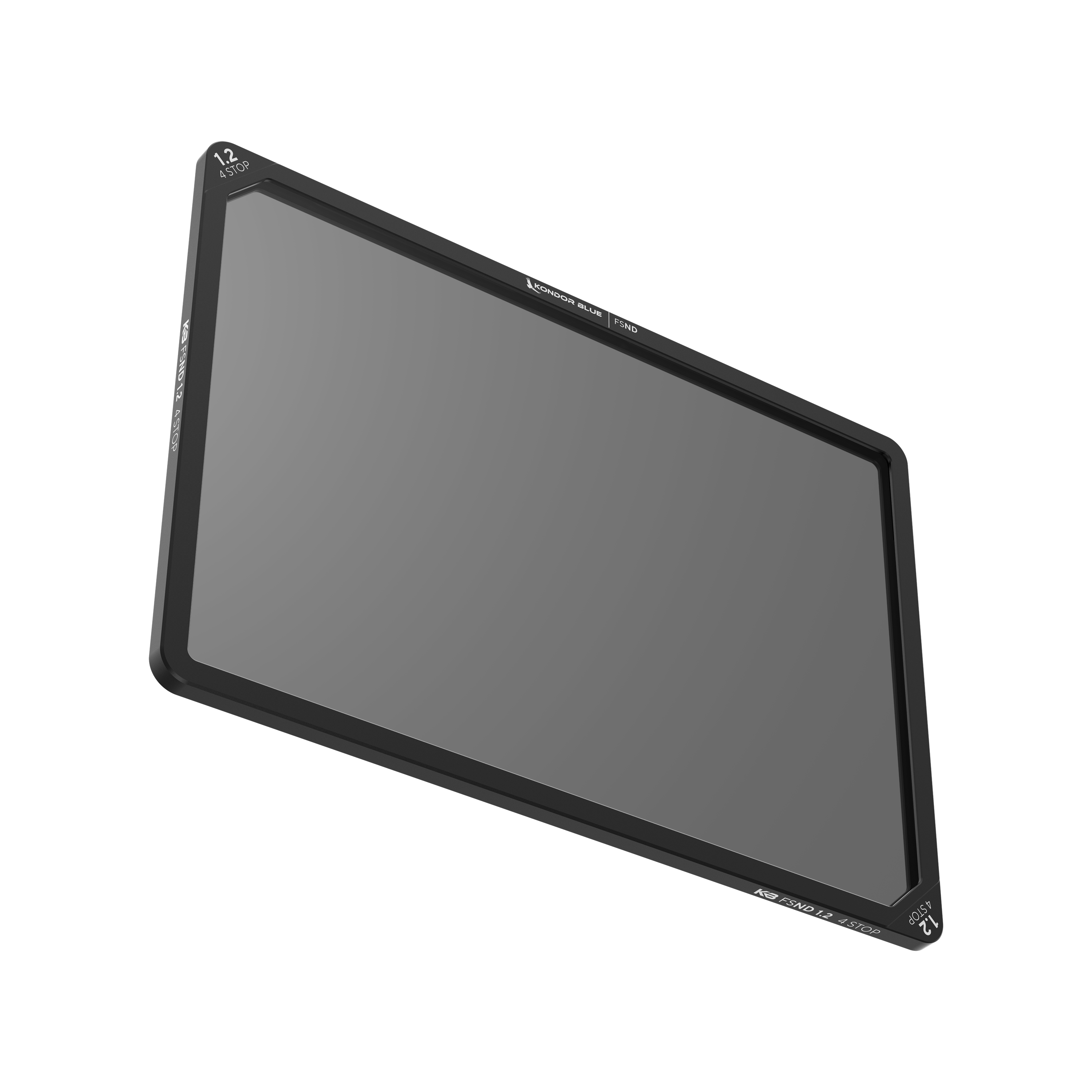
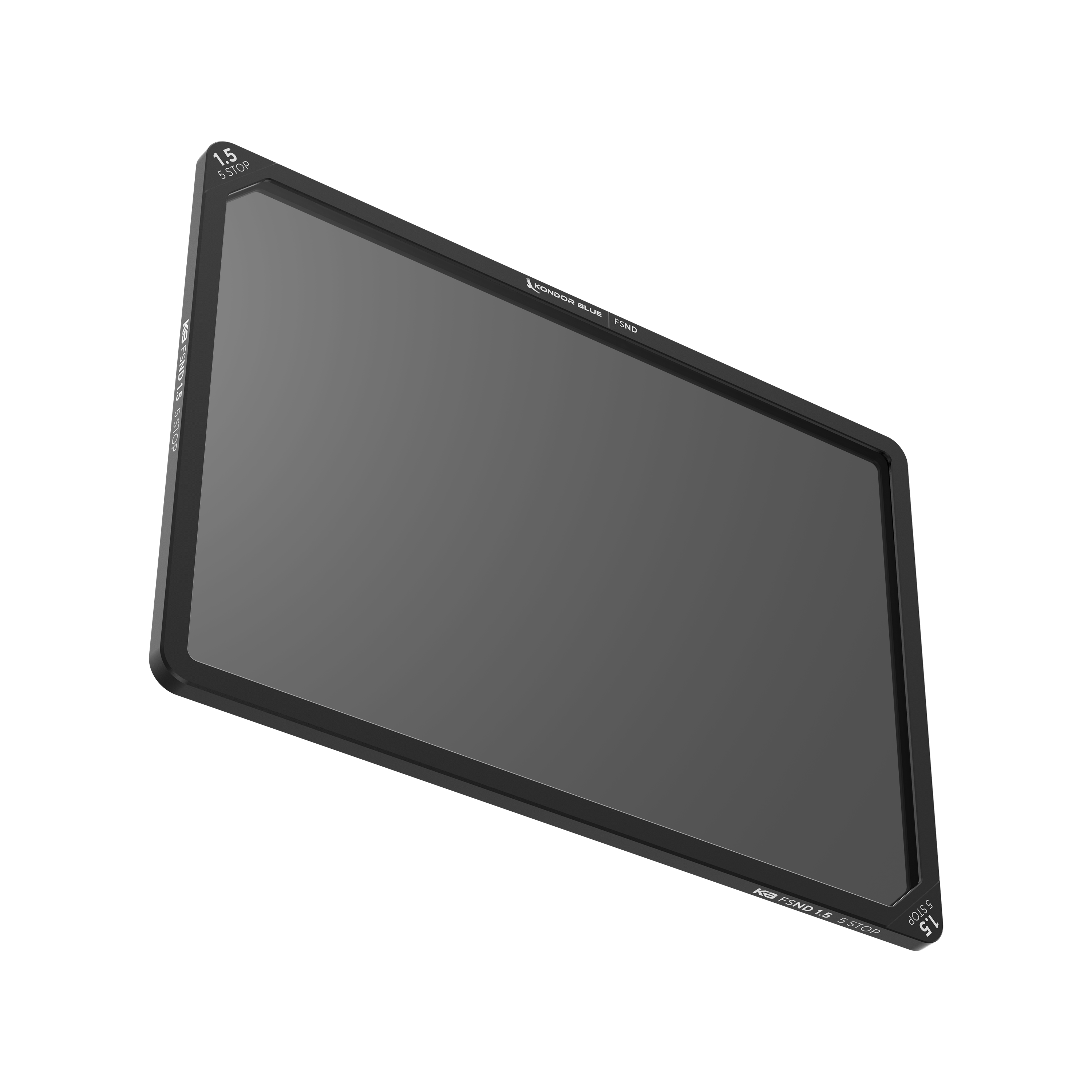
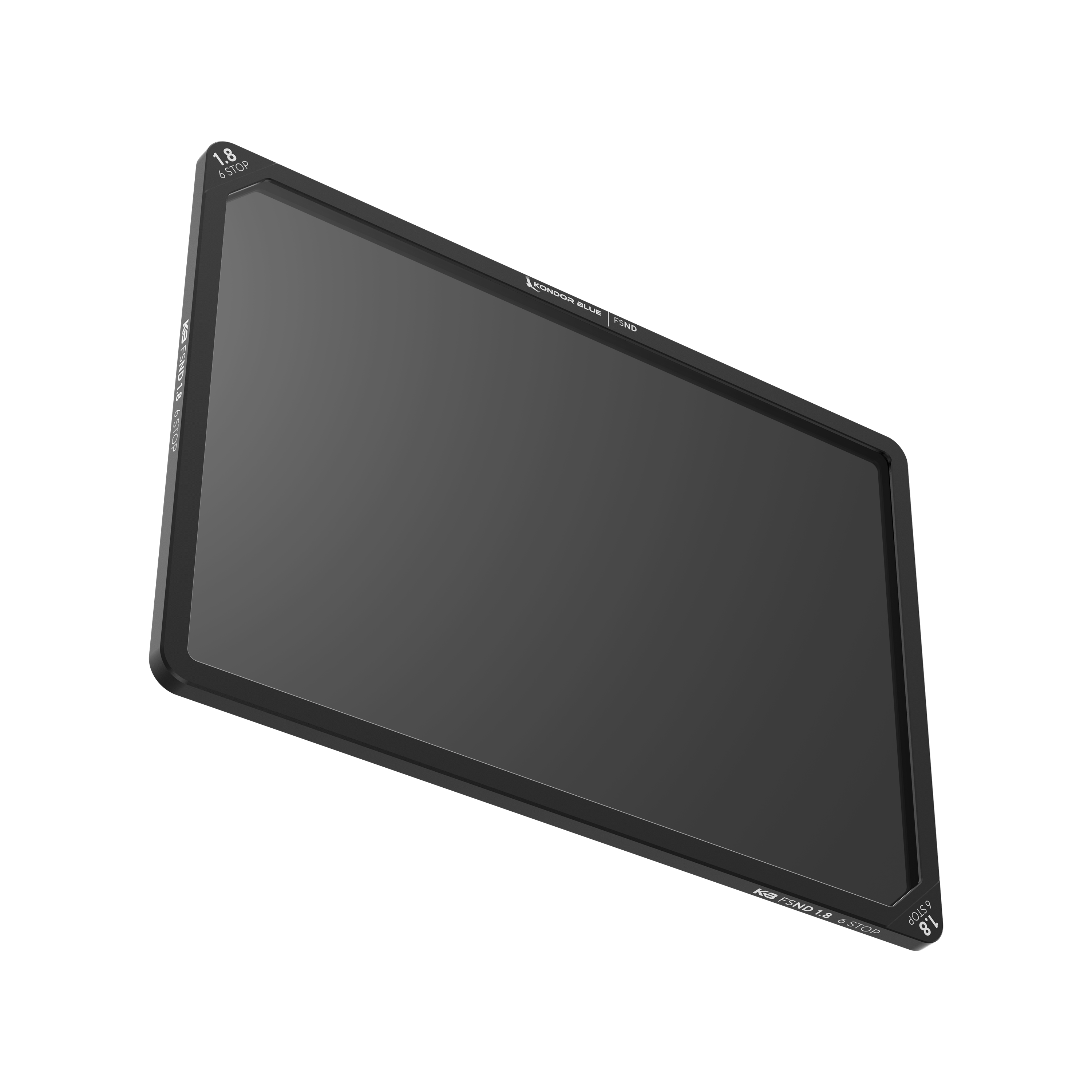
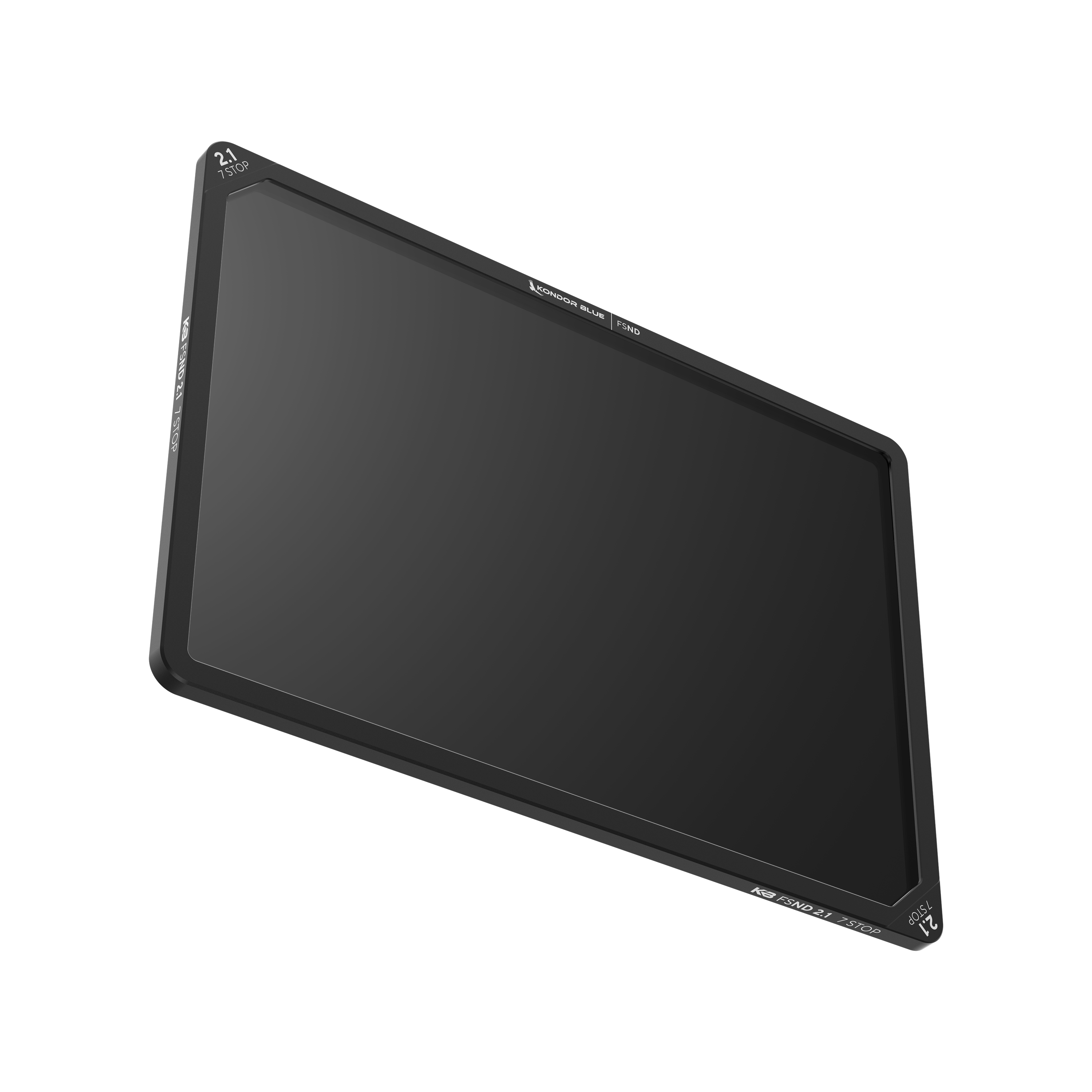

KB-FS-ND3
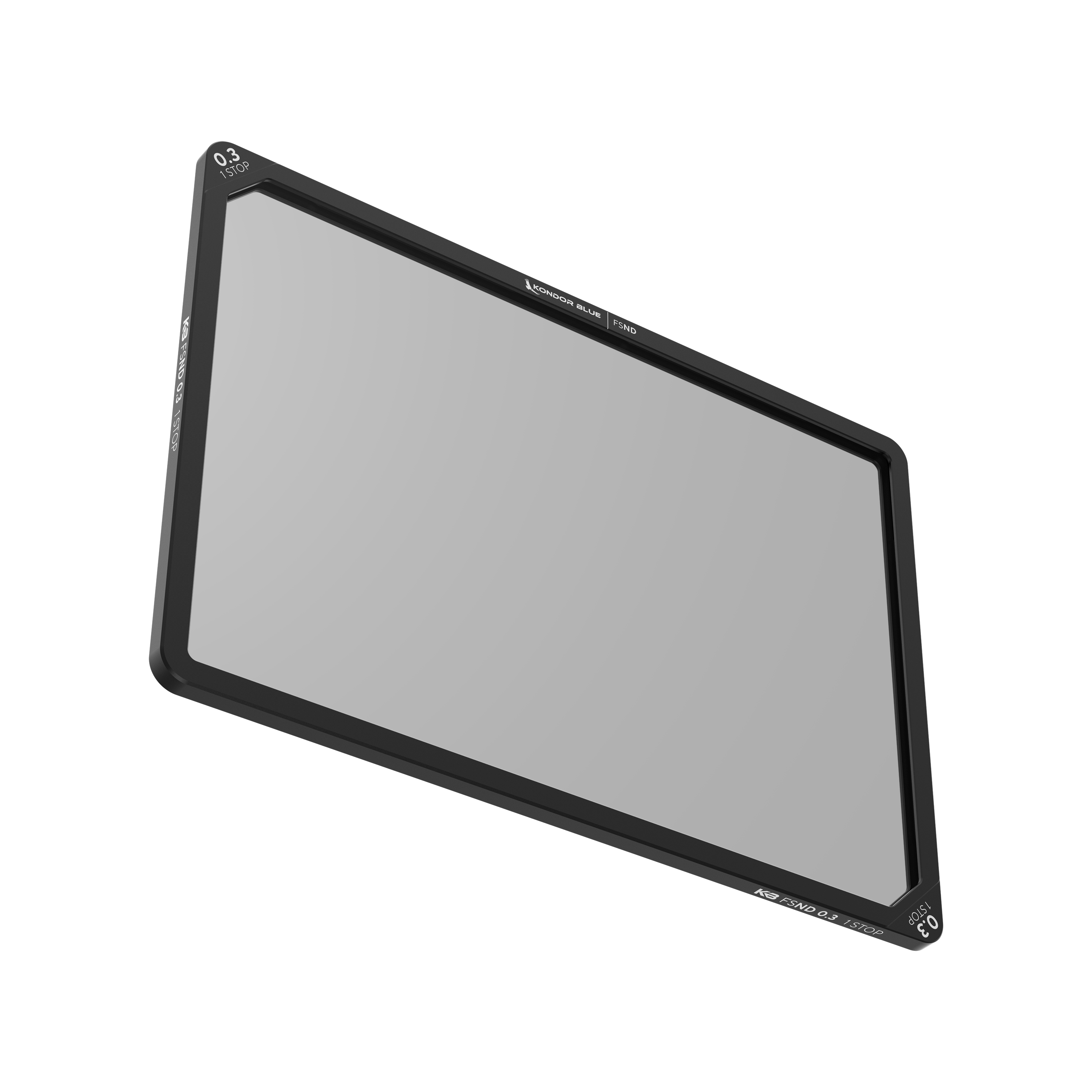
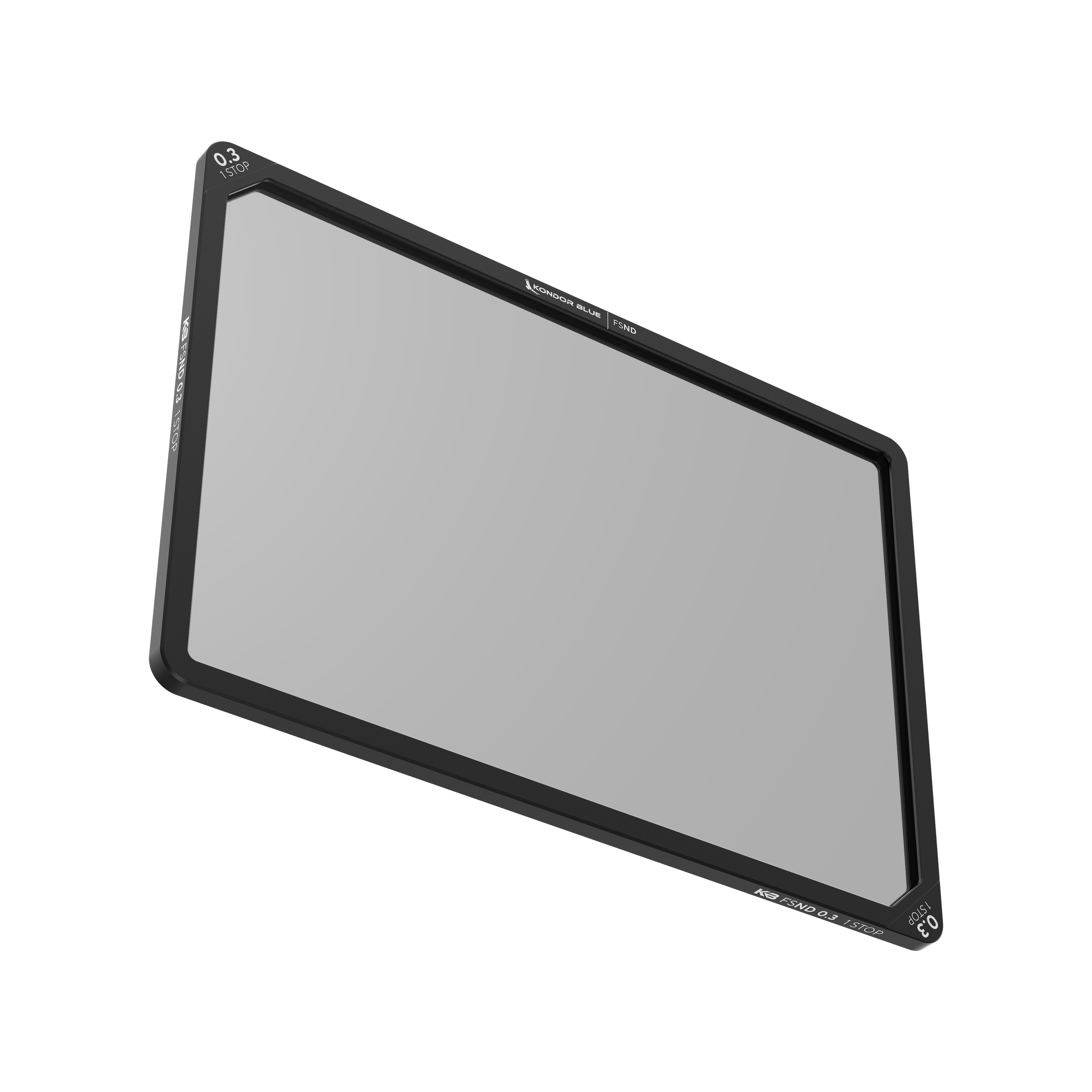
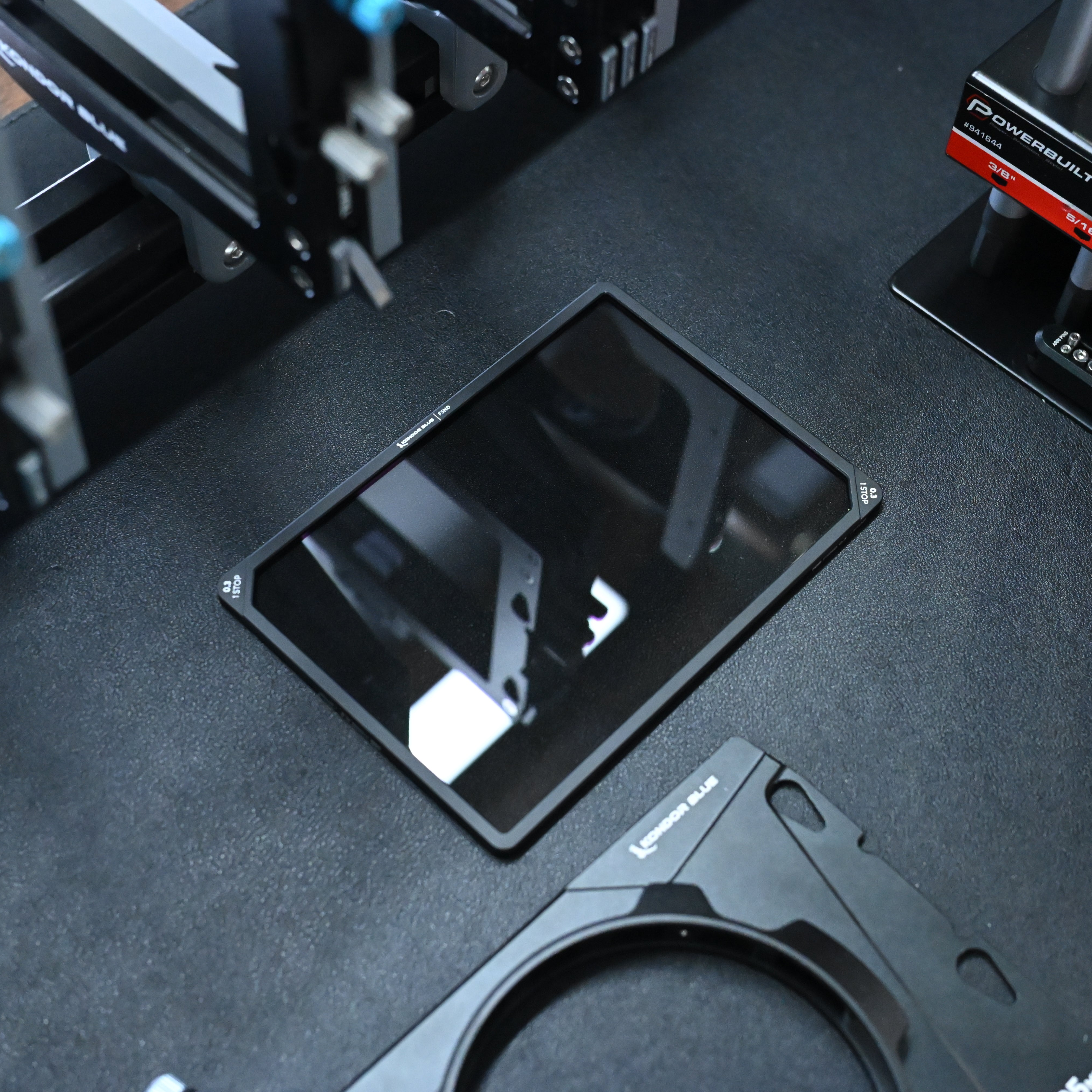
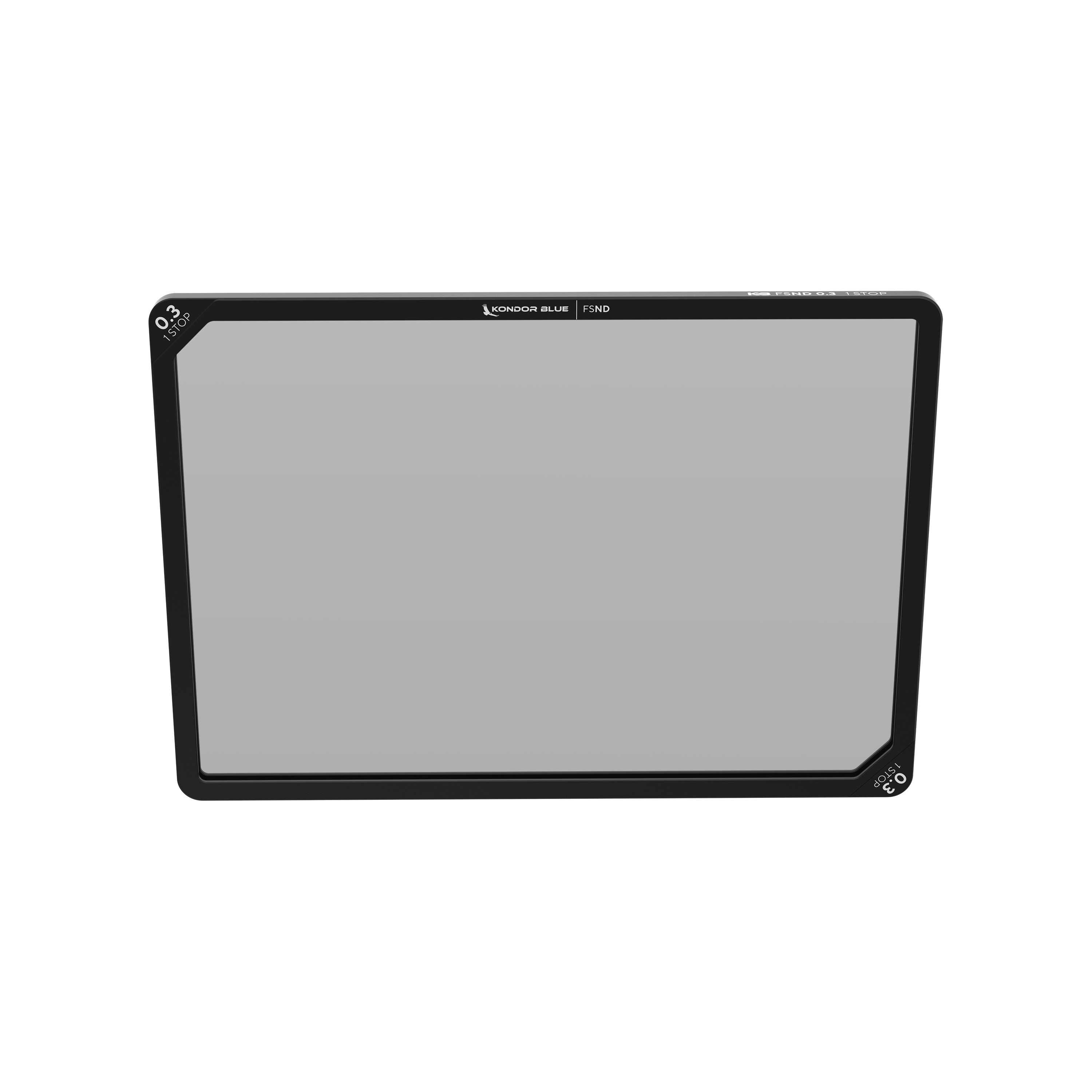
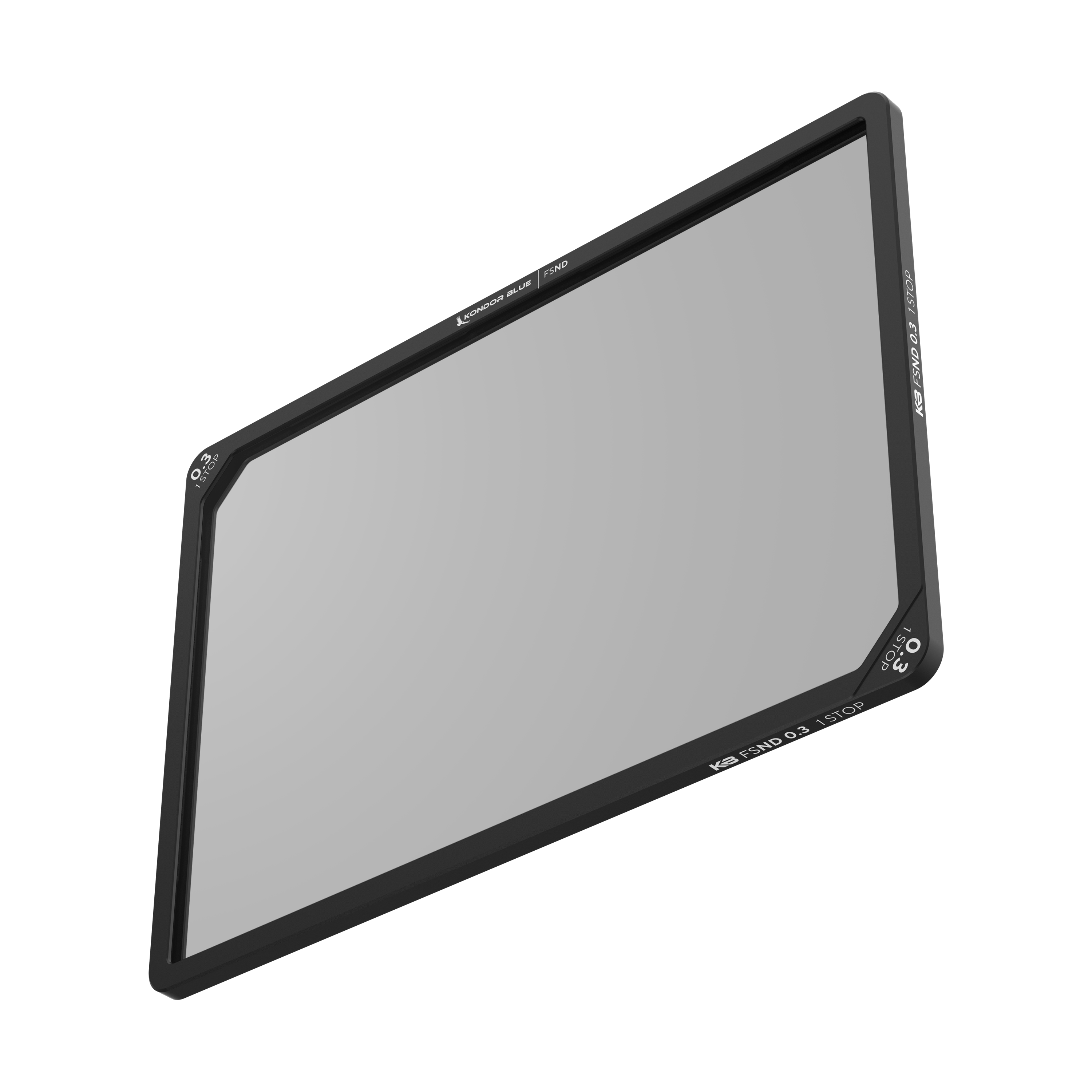
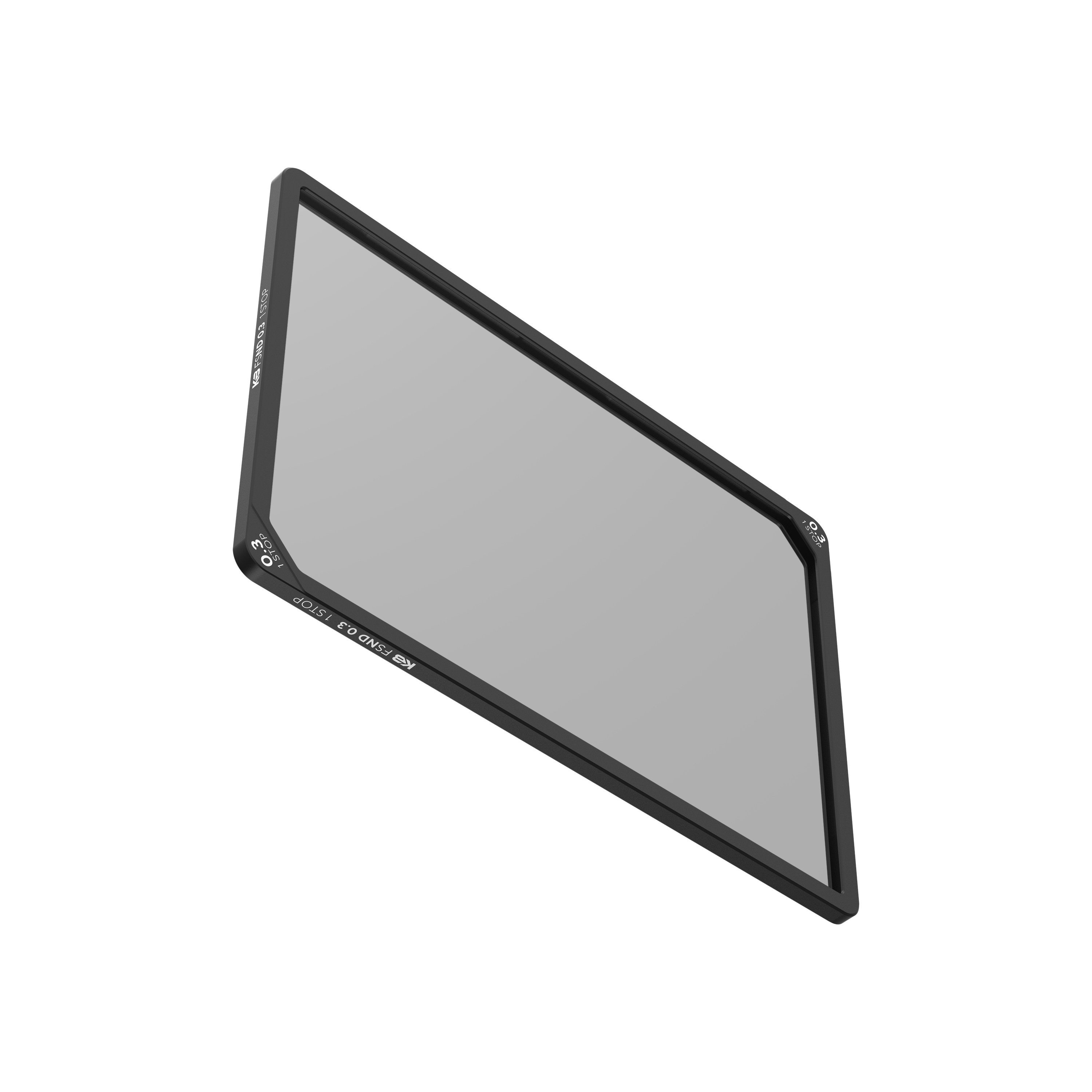
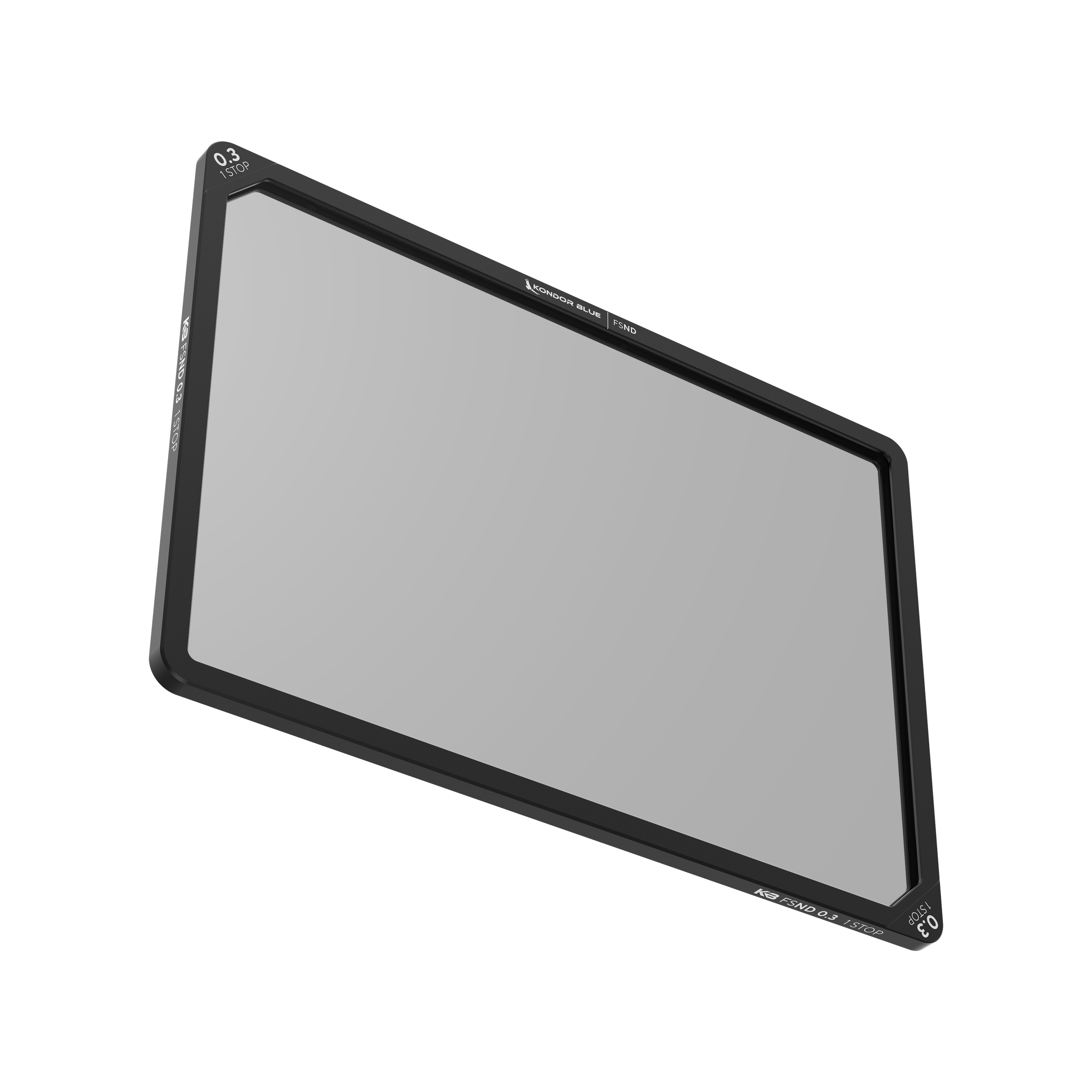
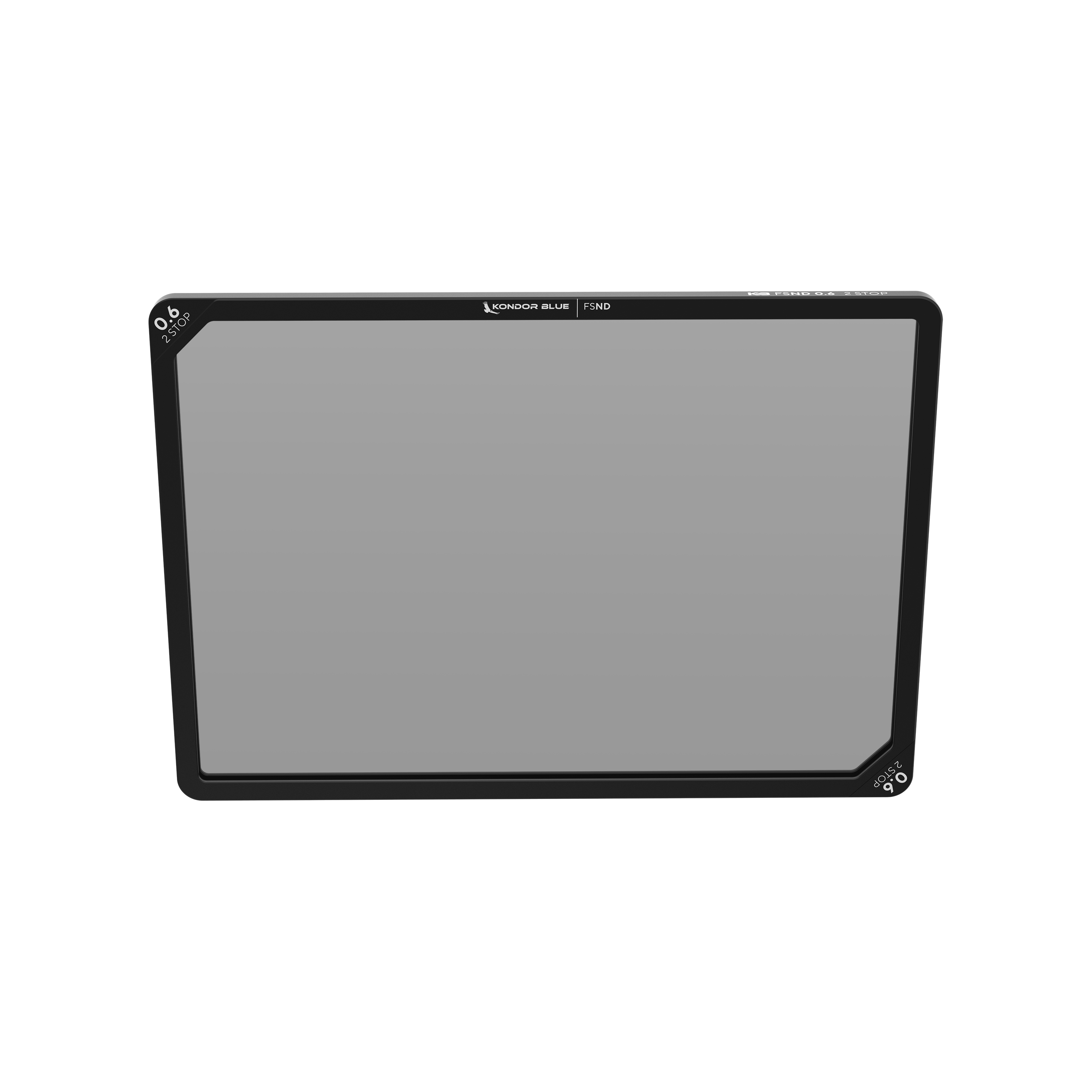
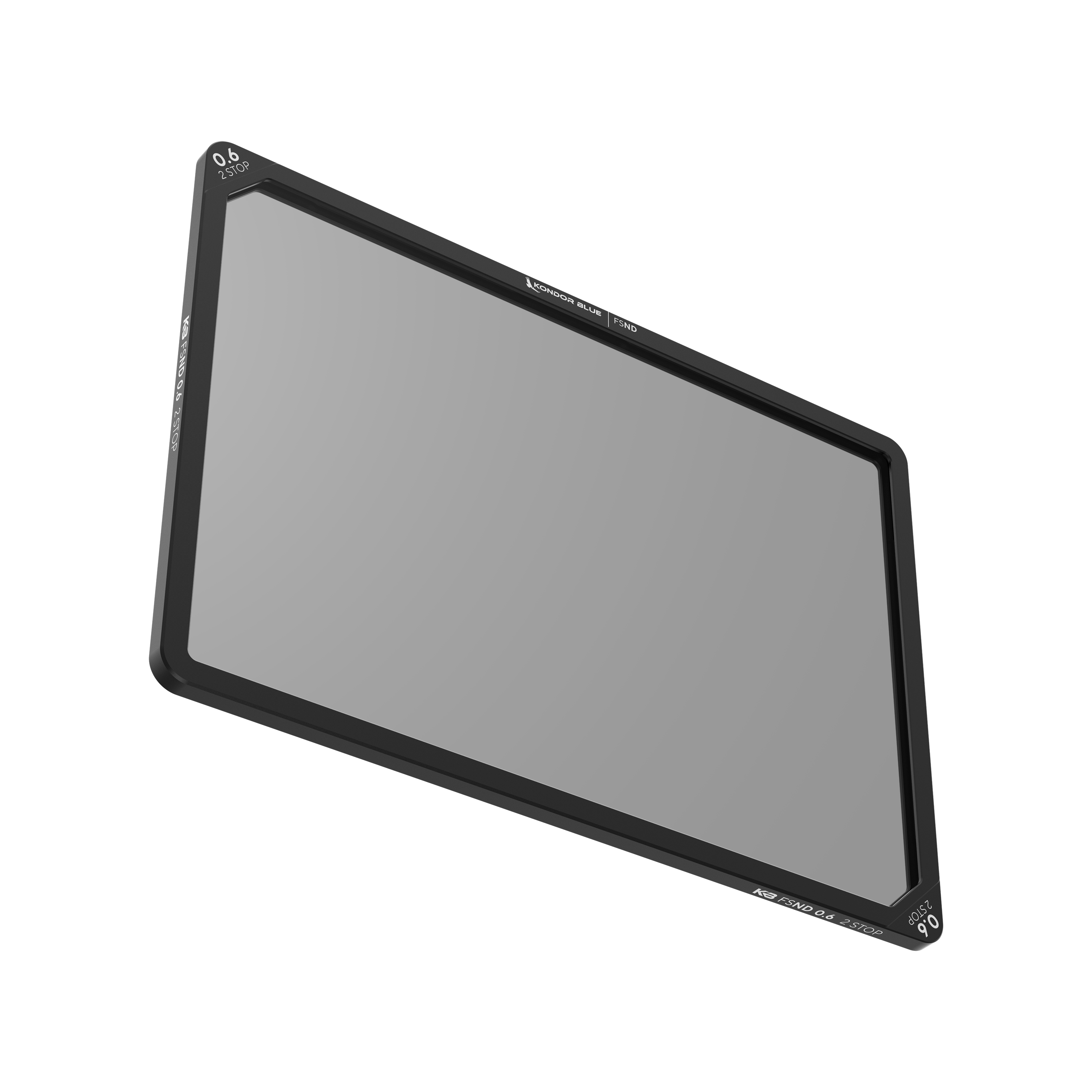
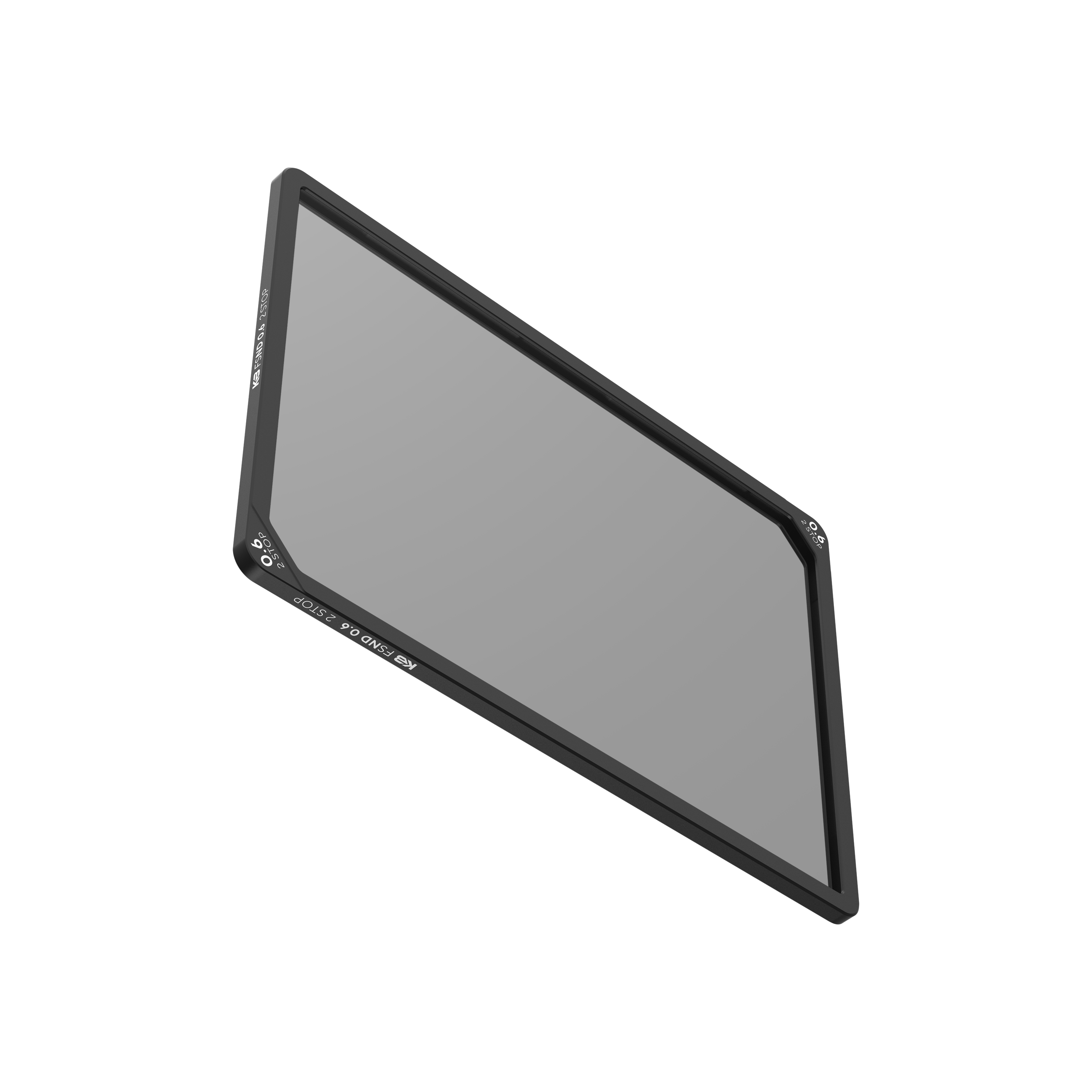
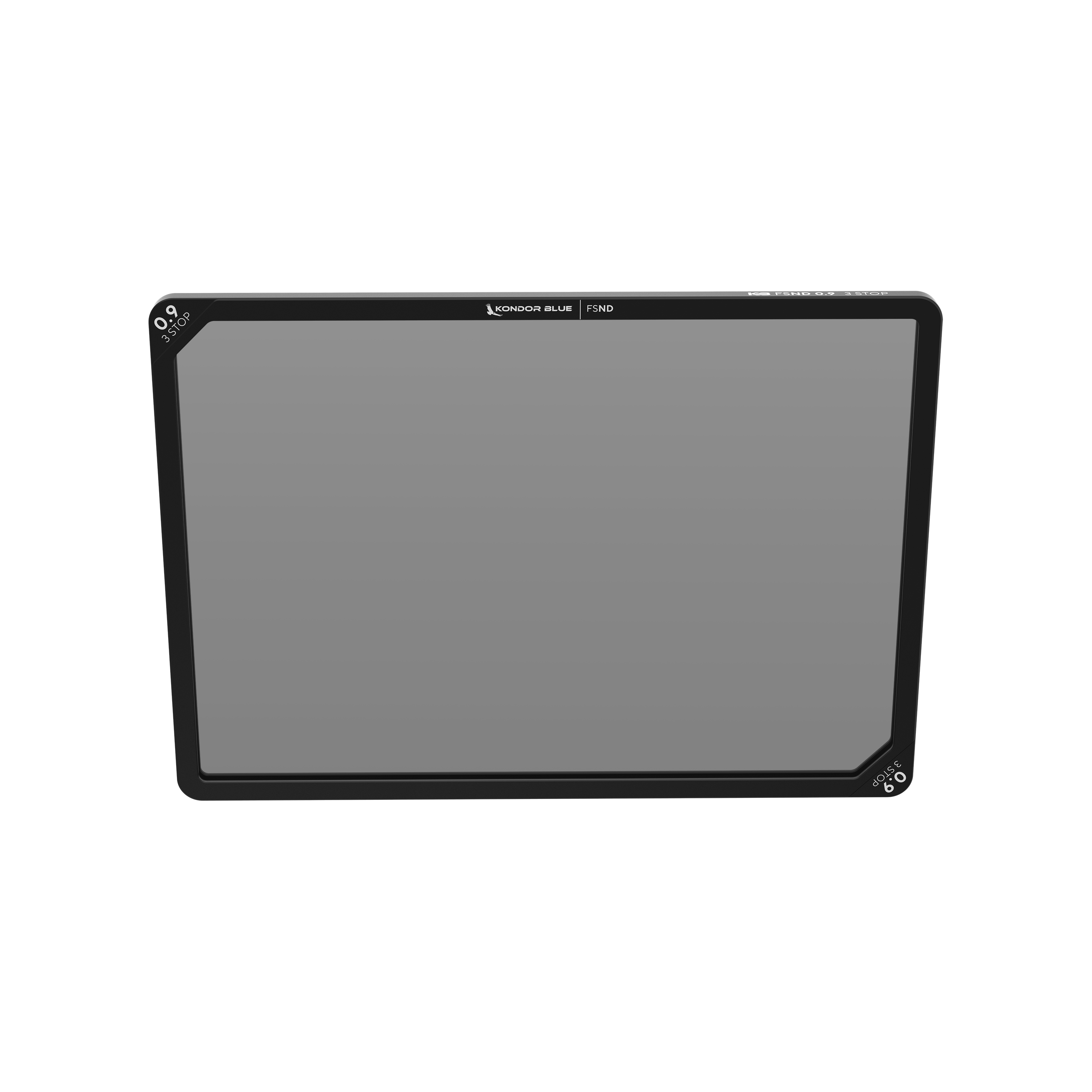
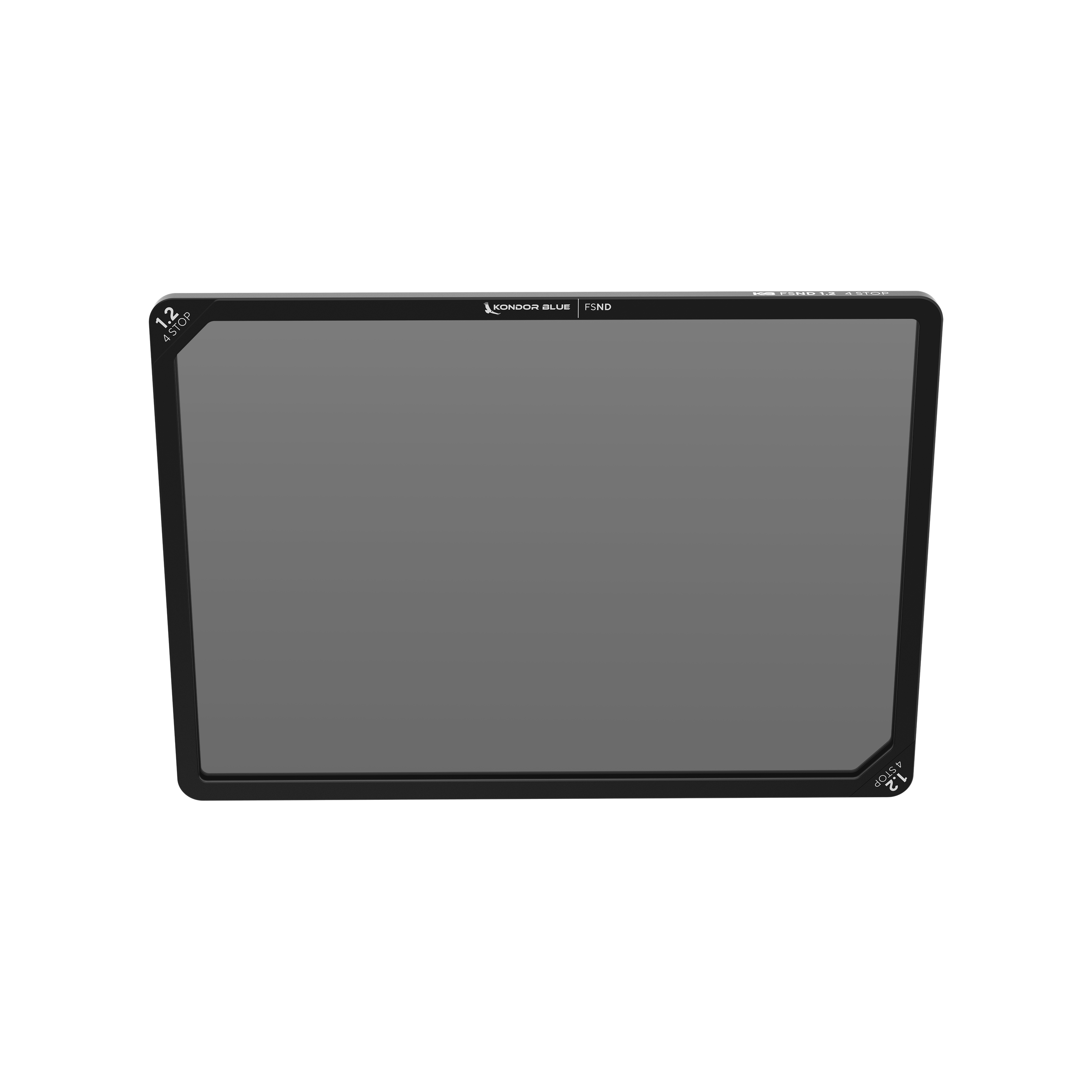
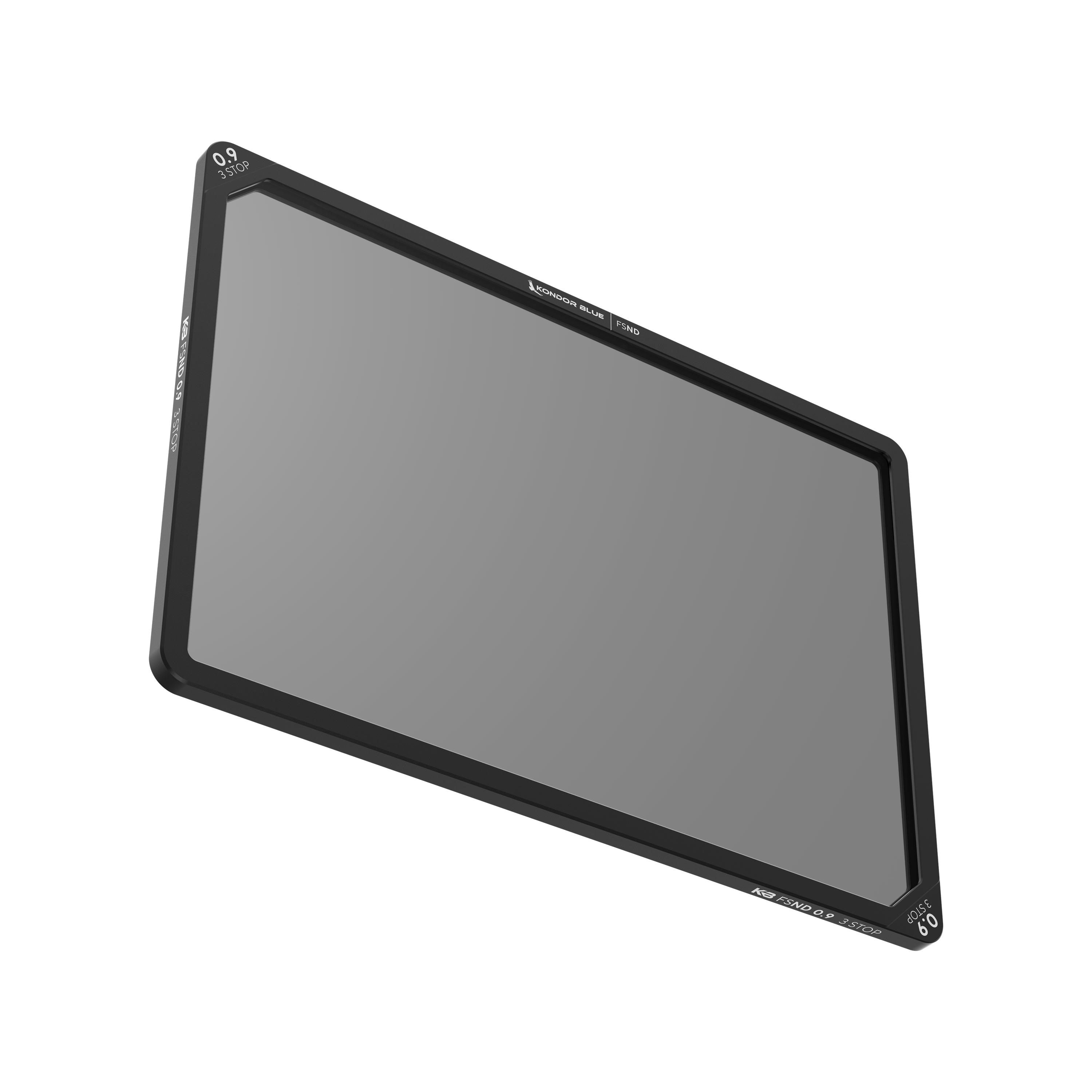
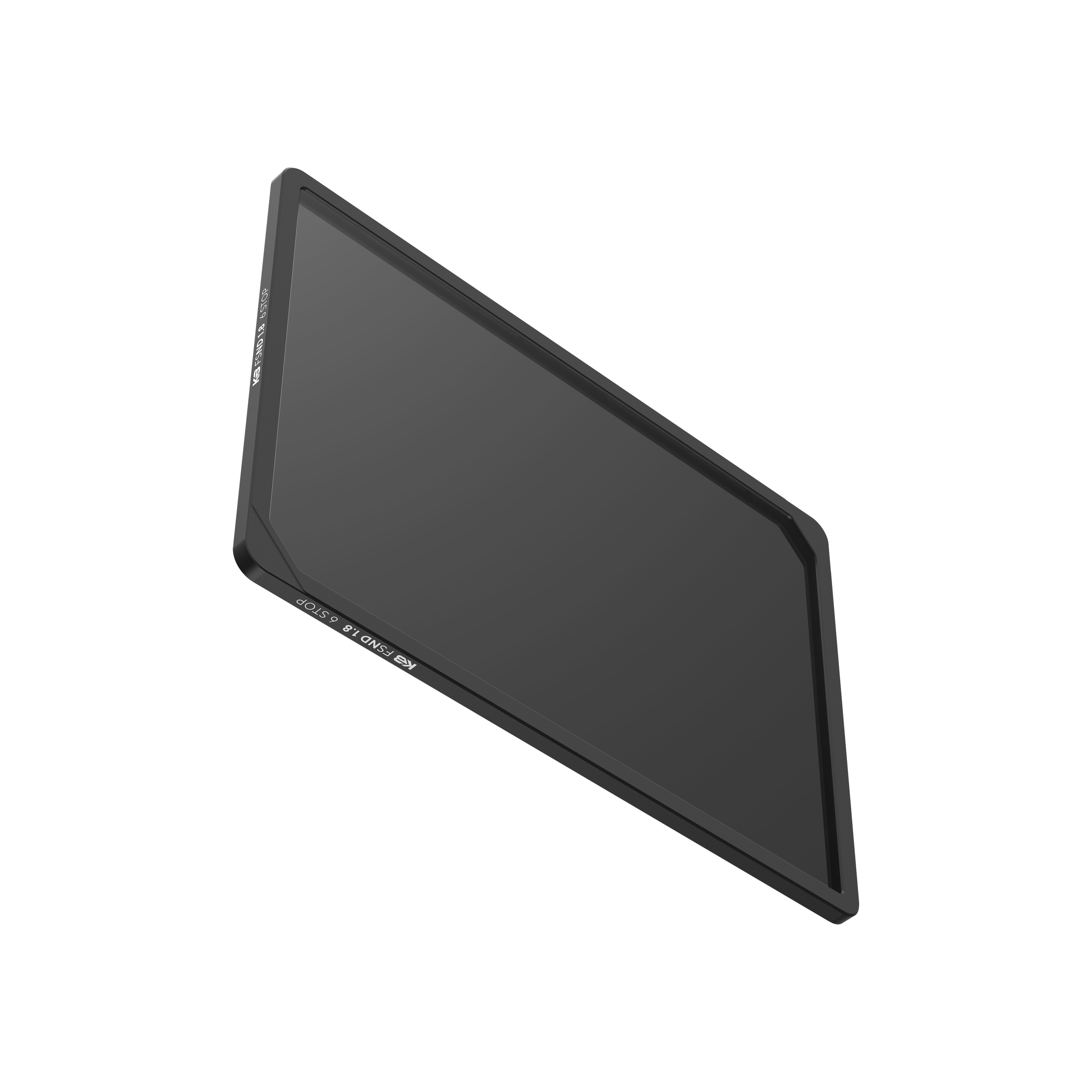
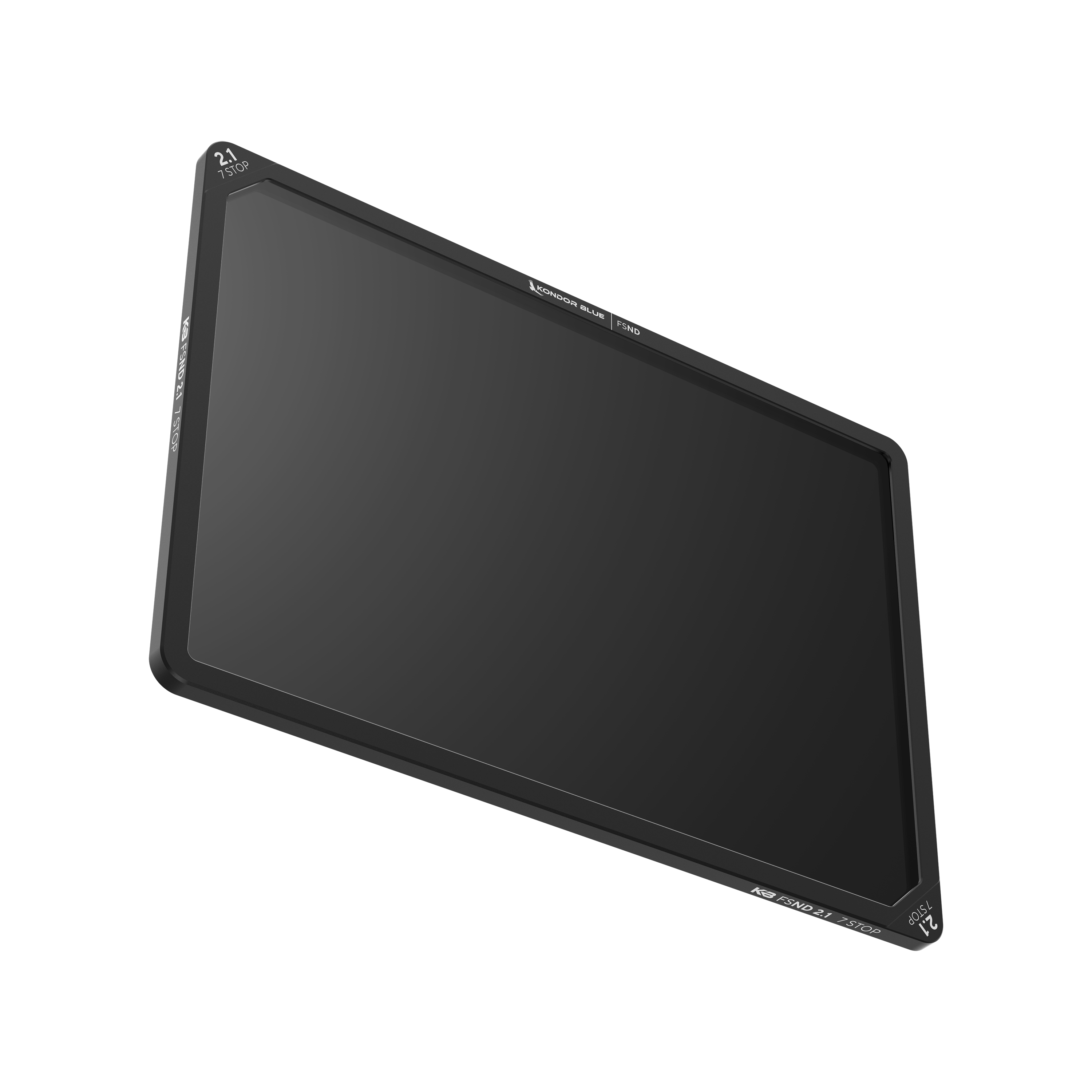
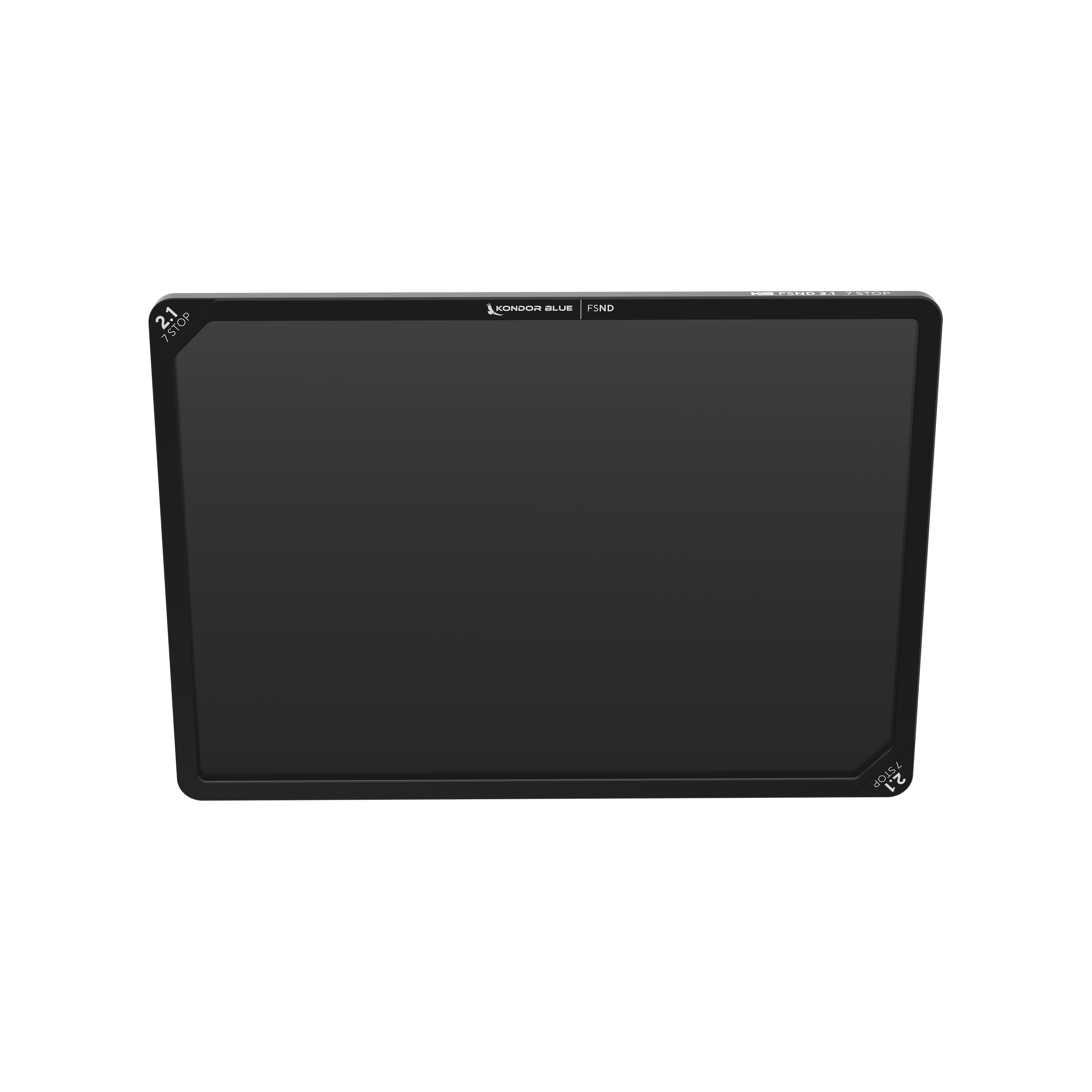
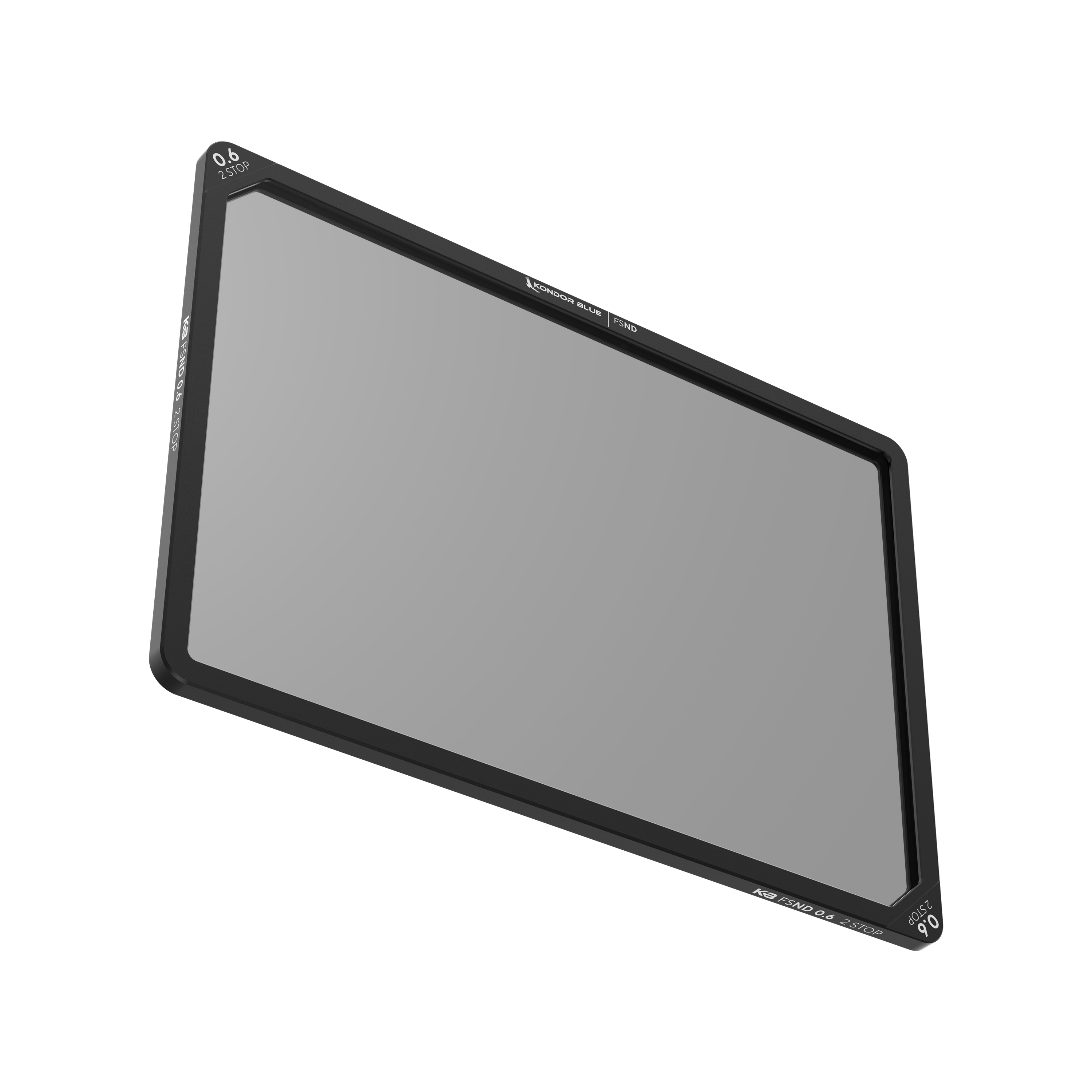
4x5.65" FullSpec ND Filter
Full Description & Tech Specs
- Full Spectrum Light Performance – Control exposure without unwanted color shifts or IR contamination.
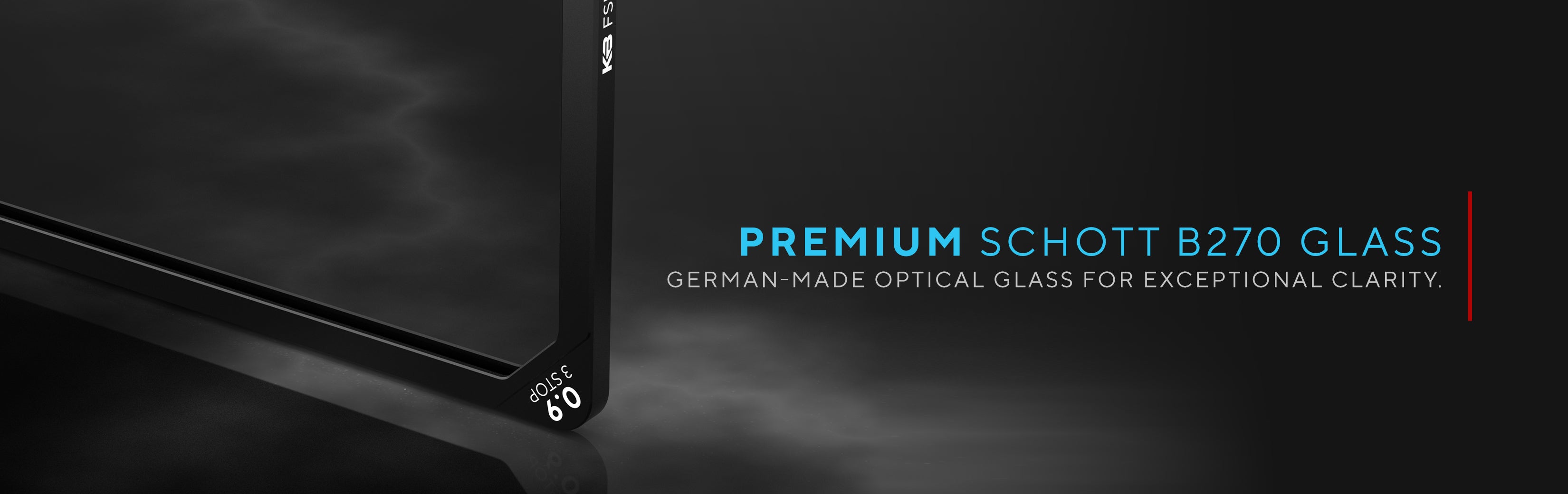
- Premium Schott B270 Glass: German-made optical glass engineered for exceptional clarity and long-term durability.
-
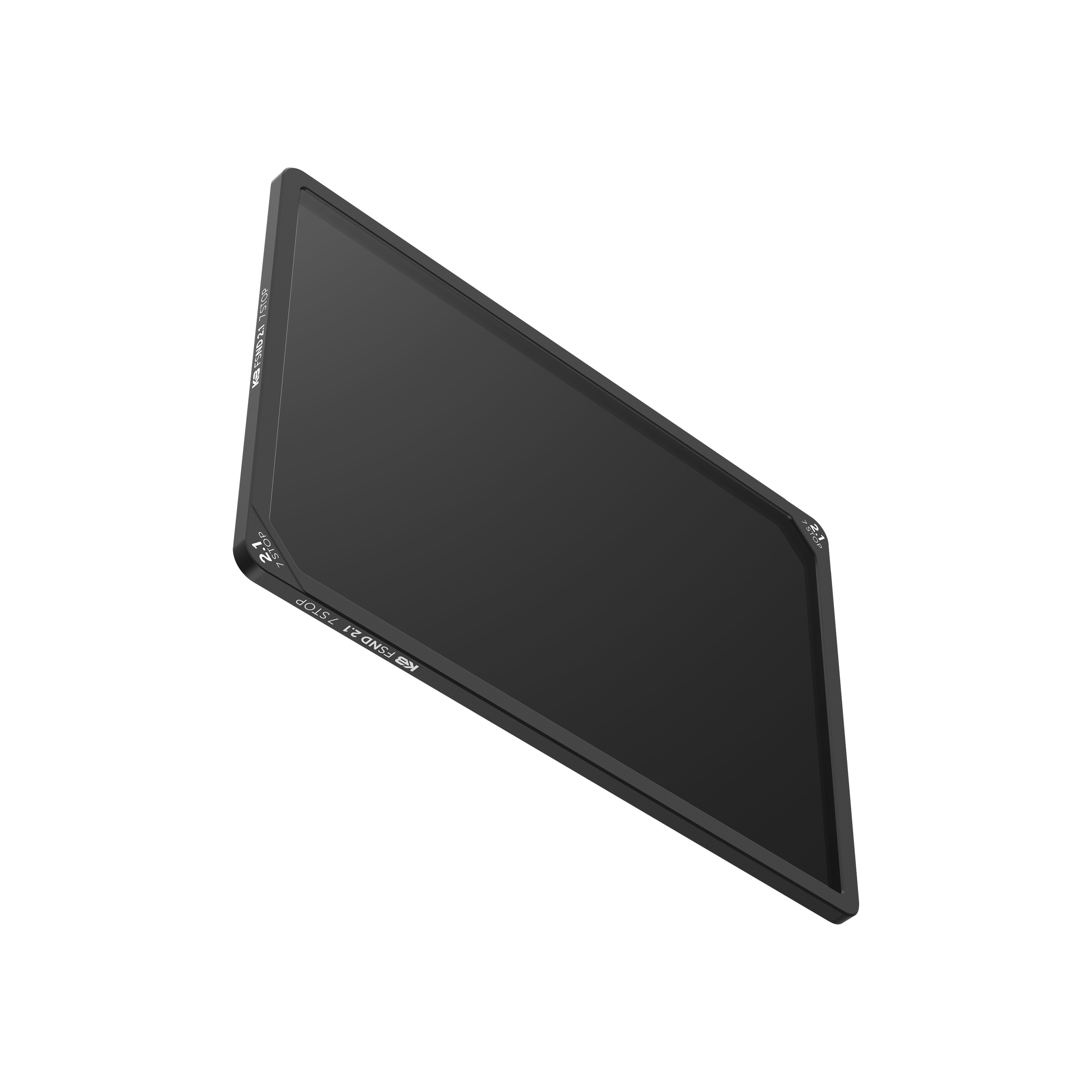
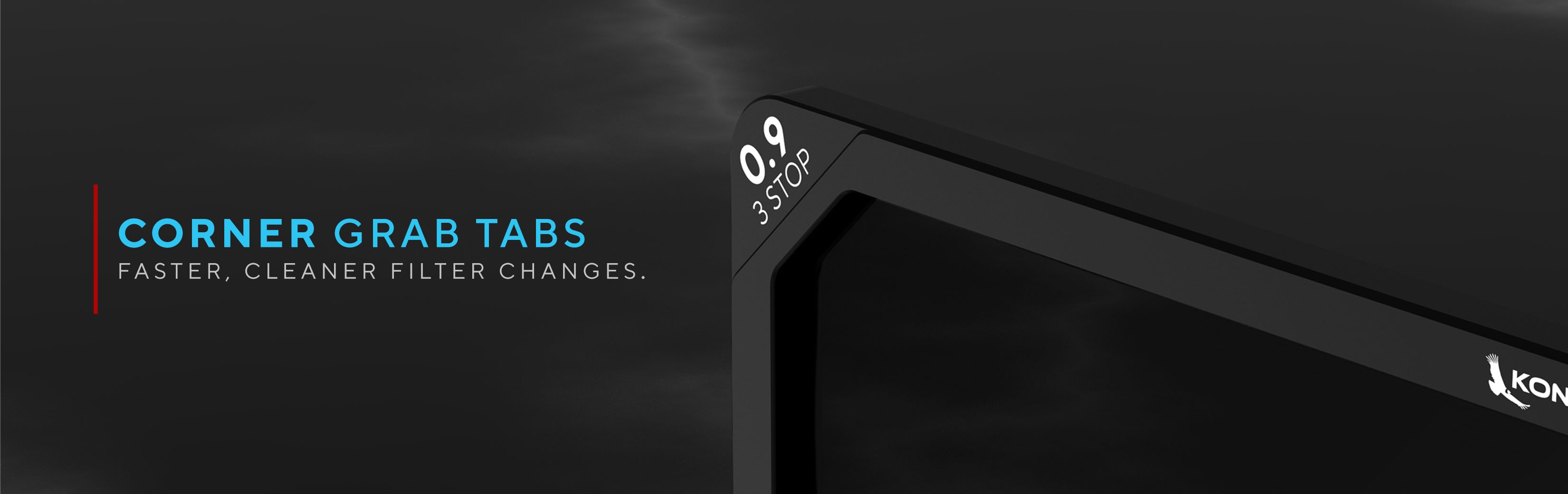
Corner Grab Tabs – Faster, cleaner filter changes with less chance of fingerprints on the glass.
-
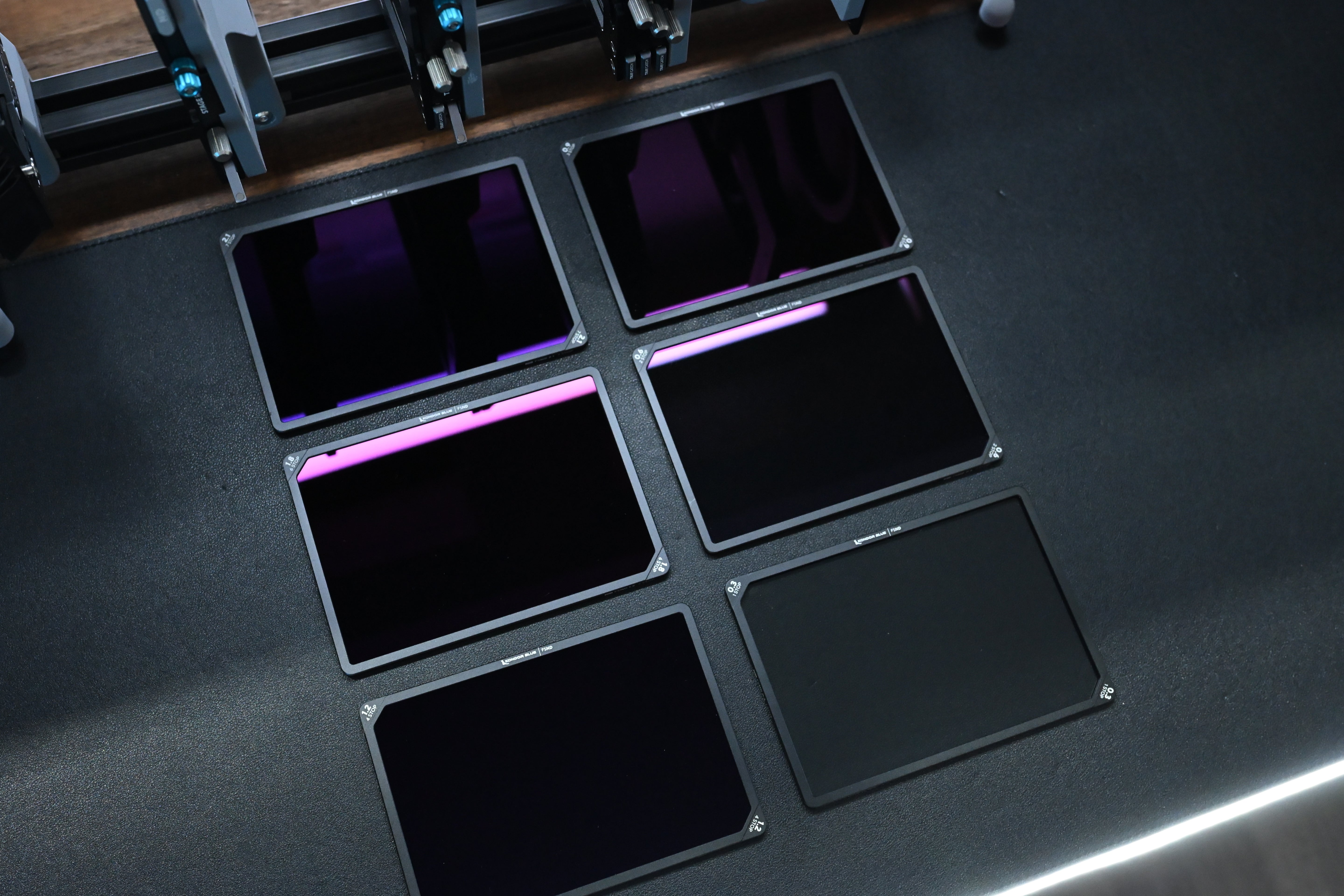
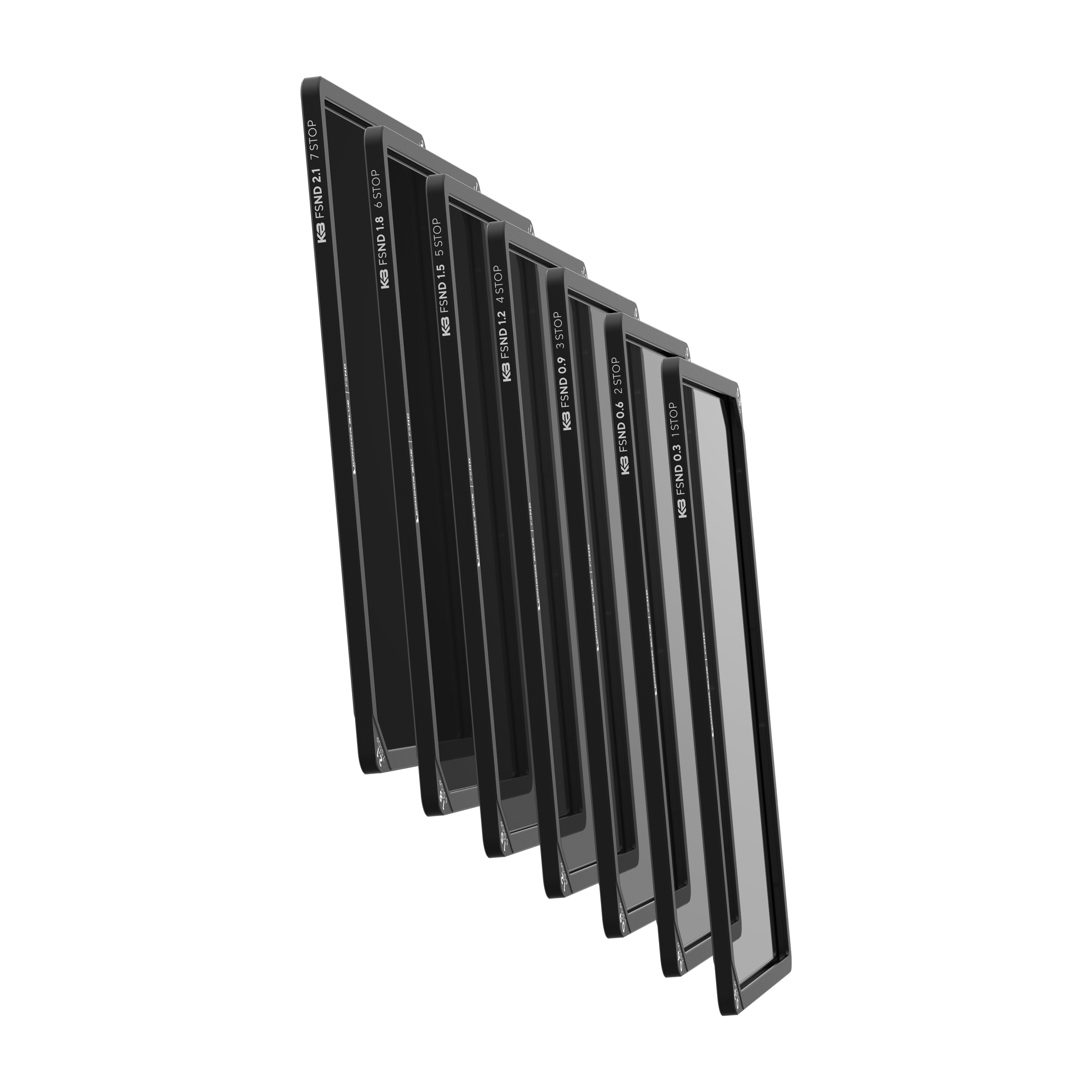
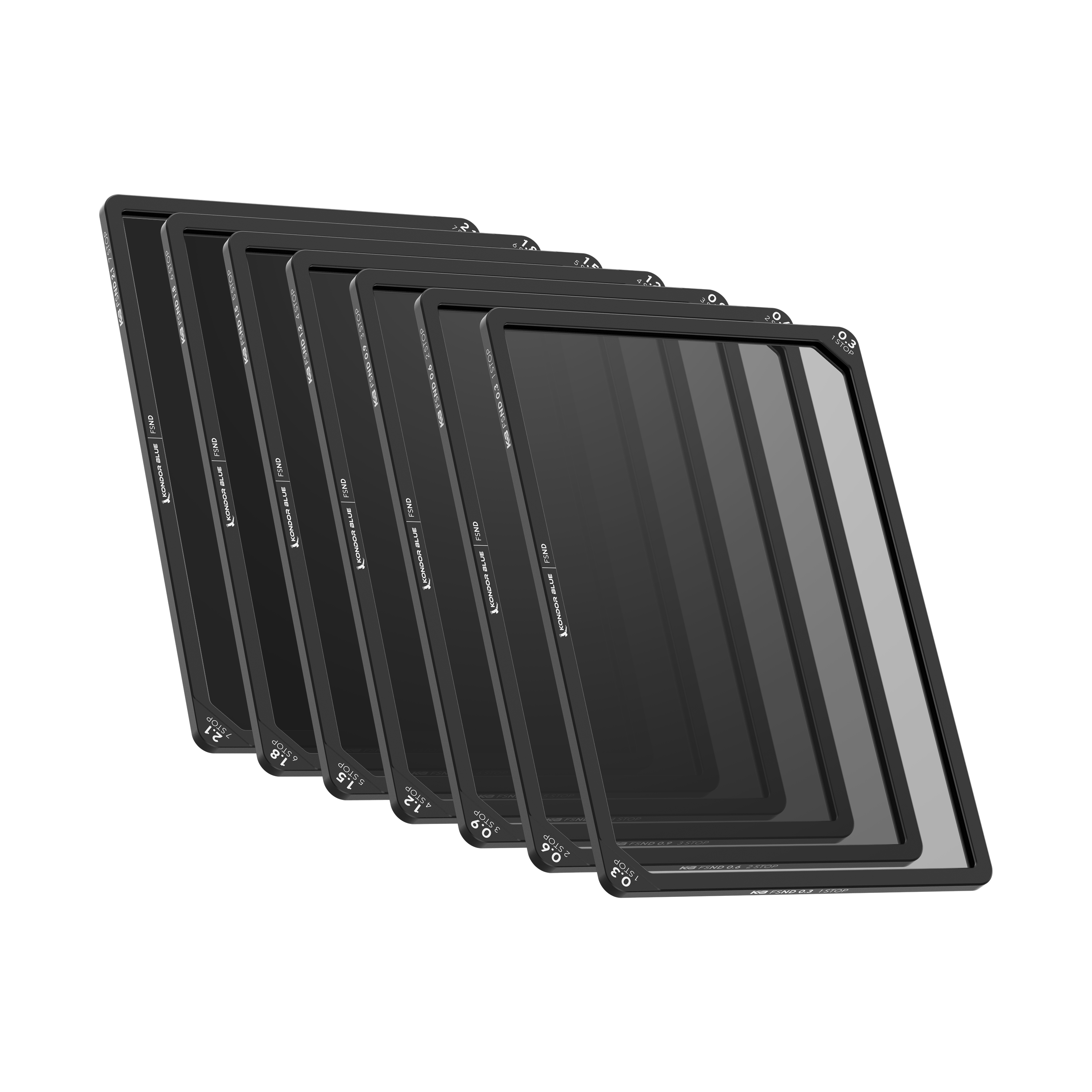
Available in Multiple ND Strengths – Choose the right level of light reduction for your shooting conditions.
Product Description
The KONDOR BLUE FullSpec ND 4x5.65 Filters are built for professionals who need absolute confidence in filtration. When you are balancing exposure across changing conditions, stacking variables, or matching shots across densities, consistency is everything. These filters are designed to deliver full-spectrum light control with a neutral, dependable response that holds from strength to strength.
Color fidelity, shadow integrity, and spectral consistency are not details; they are the difference between a filter that supports the image and one that creates problems downstream. FullSpec ND filters are engineered to maintain a clean, controlled image without the shifts, contamination, or inconsistencies that become obvious when the work is pushed.
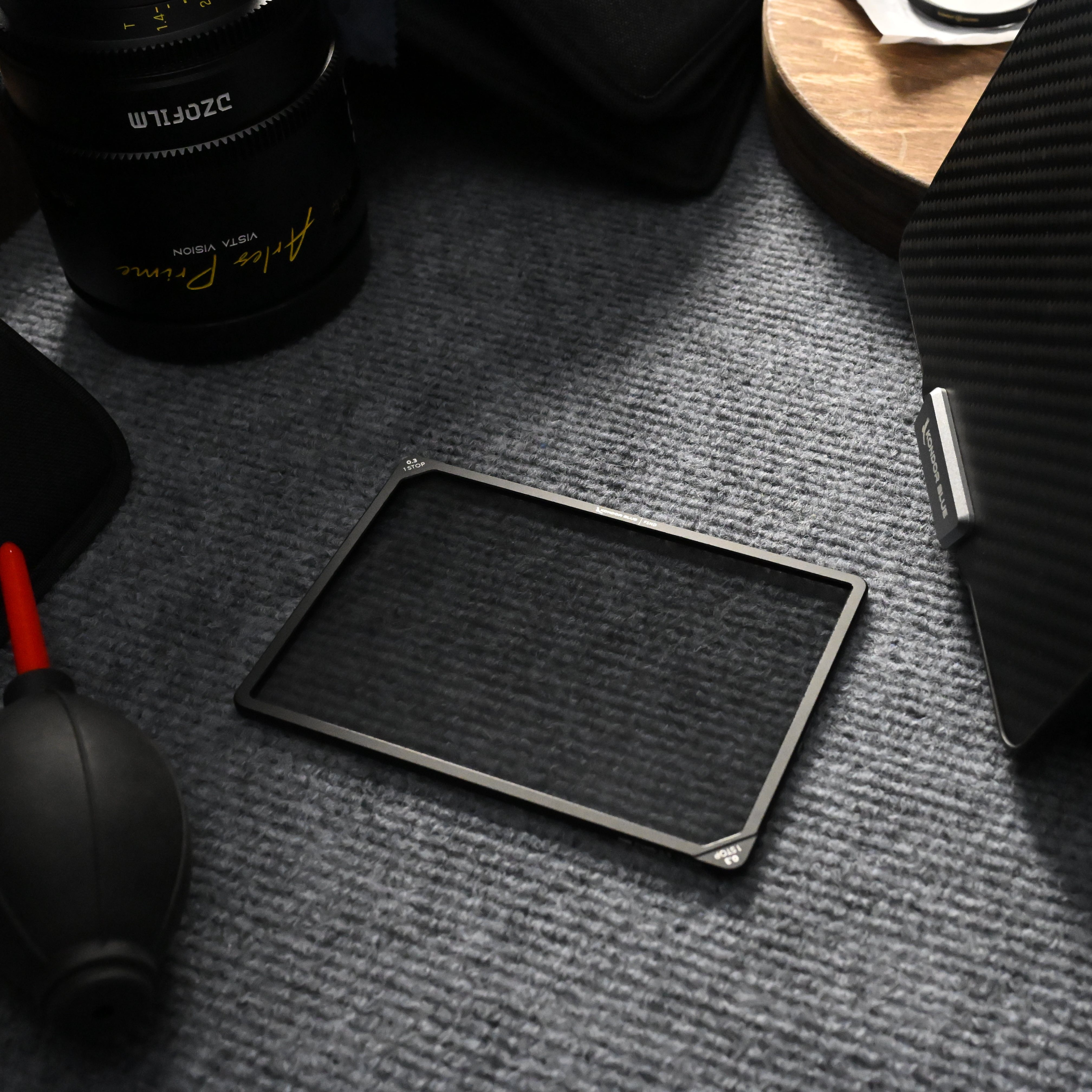
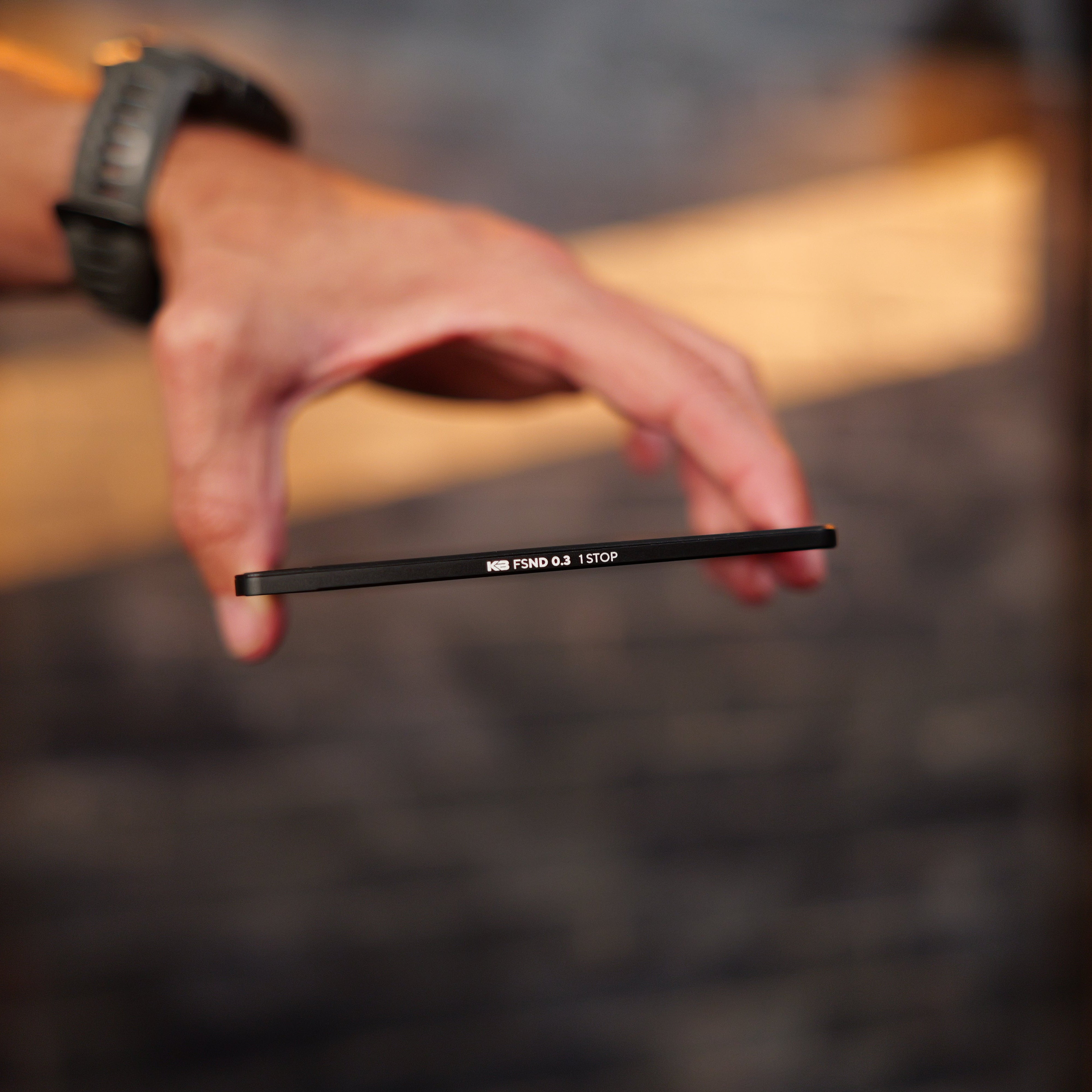
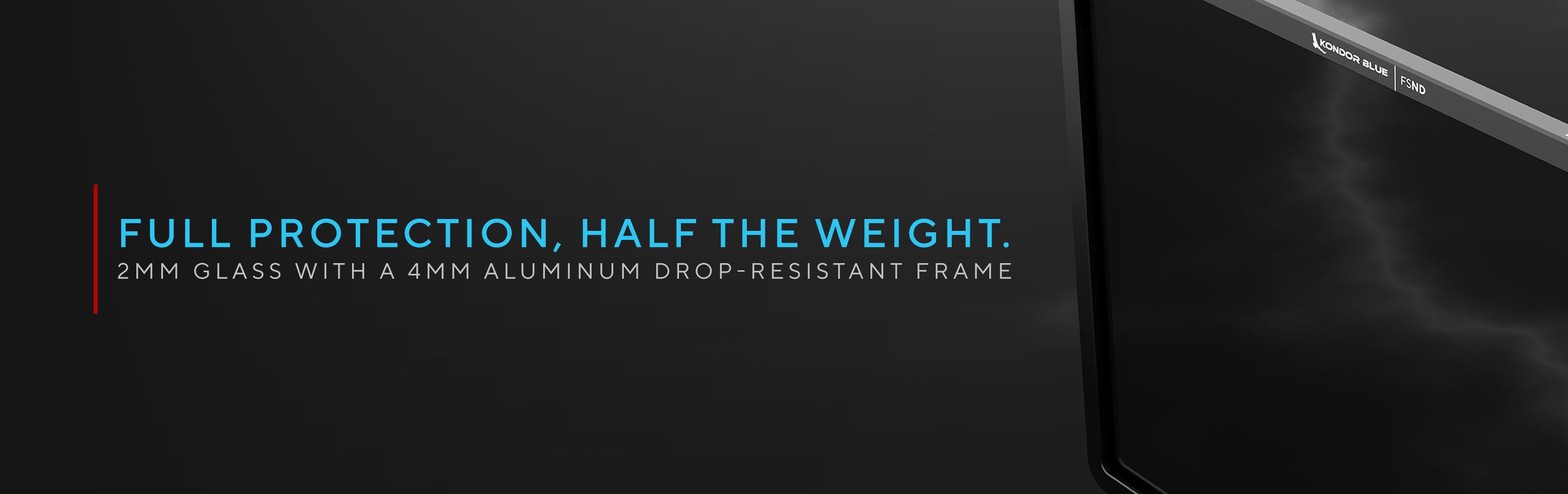
Built with premium 2mm optical glass in a durable aluminum 4mm frame sized to fit industry standard matte boxes. Corner grab tabs allow for faster, cleaner handling during swaps, keeping the process efficient without compromising the glass.
This is filtration designed to disappear in use and hold up in the grade. Unrivaled consistency, precise full-spectrum control, and the kind of trust professionals expect when the image has to stay intact.
Pairs well with
4x5.65" FullSpec ND Filter
If you have any questions, you are always welcome to contact us. We'll get back to you as soon as possible, within 24 hours on weekdays.
-
Shipping Information
Use this text to answer questions in as much detail as possible for your customers.
-
Customer Support
Use this text to answer questions in as much detail as possible for your customers.
-
FAQ’s
Use this text to answer questions in as much detail as possible for your customers.
-
Contact Us
Use this text to answer questions in as much detail as possible for your customers.
Into the Elements
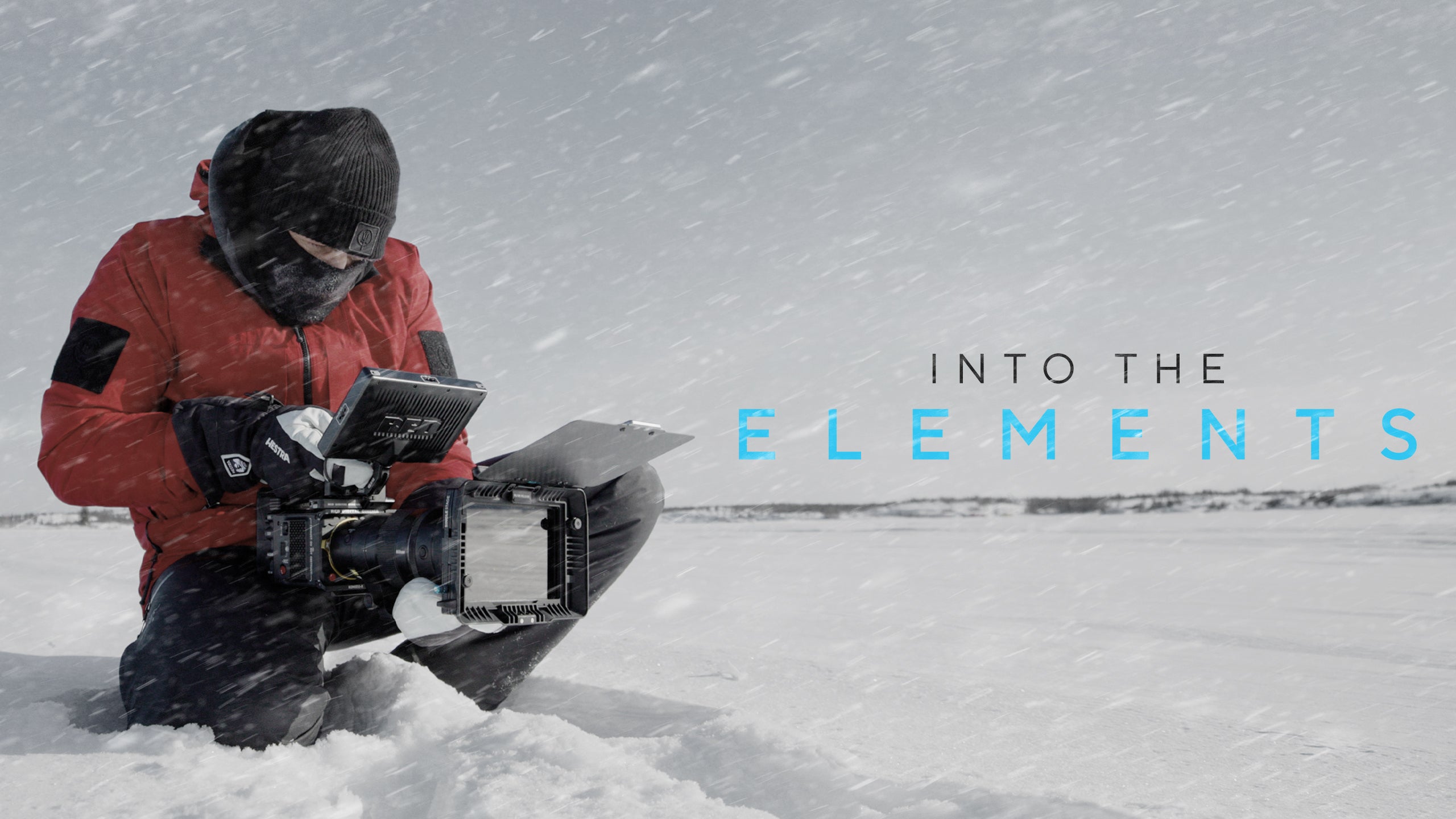
Full Spectrum Light Control. Unrivaled Consistency.
True. Every. Stop.
FAQs
Please read our FAQs page to find out more.